
Sushi Delivery: Common Mistakes That Ruin the Experience
The promise of having fresh, delicious sushi arrive at your doorstep is one of modern life’s great conveniences. With just a few taps on an app, you can have a full-course Japanese meal ready for your enjoyment. But this convenience comes with risks. A successful Sushi Delivery is a delicate dance between the restaurant, the delivery driver, and the customer. When one party makes a mistake, the entire experience can be ruined, leading to disappointment and a meal that falls far short of expectations. The tragedy of mushy rice, warm fish, and soggy seaweed is an all-too-common tale for frequent users of food delivery services.
Many of these culinary catastrophes are entirely avoidable. They stem from common, repeated errors in ordering, packaging, and handling that disrupt the fragile harmony of a well-made sushi dish. By understanding these pitfalls, both customers and restaurants can take steps to protect the integrity of the meal from the sushi bar to the dining table. This guide highlights the most frequent mistakes that can derail a Sushi Delivery and offers practical advice on how to sidestep them for a consistently excellent experience.
The Customer’s Role in a Flawed Sushi Delivery
While it’s easy to blame the restaurant or driver, many disappointing sushi experiences begin with the choices the customer makes during the ordering process. Being a savvy consumer is the first line of defense against a bad meal.
Mistake 1: Ordering the Wrong Items for Sushi Delivery
Not all sushi is created equal when it comes to travel. The biggest mistake customers make is ordering items that are fundamentally unsuited for transport. These are dishes designed to be eaten within seconds of being made.
- The Temaki (Hand Roll) Trap: A hand roll’s magic lies in the stark textural contrast between its crisp, brittle nori (seaweed) and its soft, warm rice. This magic has a shelf life of about 60 seconds. During a 20-minute delivery, the moisture from the rice turns the nori into a chewy, leathery, and unpleasant wrapper. It’s the fastest way to guarantee a disappointing Sushi Delivery.
- The Risk of Gunkan Maki (Battleship Sushi): Items like sea urchin (uni) or salmon roe (ikura) are often served as gunkan maki, where a strip of nori forms a “boat” to hold the loose topping. These are notoriously unstable and prone to spilling or falling apart during a bumpy ride. The delicate nature of these premium ingredients also means they are highly sensitive to temperature fluctuations.
How to Avoid This: Stick to items built for durability. Uramaki (inside-out rolls) are excellent choices because the nori is protected within the roll. Chirashi bowls, where sashimi is scattered over rice, are also perfect for delivery as there is no delicate structure to collapse.
Mistake 2: Ignoring Restaurant-Specific Packaging Protocols
Not all restaurants approach Sushi Delivery with the same level of care. Some invest in specialized packaging, while others use generic containers that do more harm than good.
A common oversight is ordering from a place that co-mingles hot and cold items. Placing a container of hot miso soup or fried gyoza in the same bag as your delicate raw nigiri is a recipe for disaster. The steam and heat can partially cook the fish, altering its texture and making it unsafe.
How to Avoid This: Read restaurant reviews specifically mentioning delivery and packaging. Look for comments about separate bags for hot and cold food, secure lids, and dividers within containers. A restaurant that cares about its Sushi Delivery experience will often highlight its superior packaging in its menu description. If you’re unsure, call the restaurant and ask about their process.
Restaurant Errors That Compromise a Sushi Delivery
Restaurants that offer delivery have a responsibility to adapt their processes for takeout. When they fail to do so, they set the customer up for disappointment and damage their own reputation.
Mistake 3: Inadequate or Improper Packaging
The most frequent restaurant error is cutting corners on packaging. This manifests in several ways that can ruin a Sushi Delivery.
- The Single, Undivided Container: Tossing various rolls with different sauces into one large box is a cardinal sin. A spicy mayo from one roll will inevitably smear onto a delicate piece of tuna nigiri. The result is a messy, unappetizing jumble of flavors.
- Loose Condiments: Placing soy sauce packets, wasabi, and ginger directly in the container with the sushi is a bad practice. They can easily get crushed, leak, or slide around, damaging the food.
- Non-Vented Containers for Hot Items: If a customer orders tempura or other fried items alongside their sushi, these must be placed in a vented container. Without vents, the steam gets trapped, turning crispy tempura into a soggy, limp mess.
How Restaurants Can Fix This: Invest in bento-style boxes with built-in dividers. Provide condiments in separate, sealed packets or small containers. Use specialized vented boxes for all fried foods to preserve their texture. These small investments in packaging pay huge dividends in customer satisfaction.
Mistake 4: Poor Temperature Control
Maintaining proper food temperature is not just about quality; it’s a matter of safety. Sushi must be kept cold. A common mistake in busy kitchens is leaving prepared delivery orders sitting on a counter at room temperature while waiting for a driver to arrive.
Even a short period of time in the “danger zone” (between 4°C and 60°C or 40°F and 140°F) can allow bacteria to grow and can degrade the texture of the fish. This is a critical failure in the Sushi Delivery chain.
How Restaurants Can Fix This: Implement a clear system where prepared cold orders are stored in a designated refrigerator until the moment the driver walks in the door. Using insulated delivery bags, both in-house and for third-party drivers, adds another layer of protection.
Timing and Logistical Mistakes in Sushi Delivery
The journey from the restaurant to your door is the final, and often most perilous, stage. Both the customer and the delivery platform play a role here.
Mistake 5: Ordering During Peak Rush Hour
Ordering sushi at 7:00 PM on a Friday night is a high-risk activity. This is when kitchens are slammed, and delivery platforms are overwhelmed with orders. Your order may sit longer in the kitchen waiting for a driver, and that driver is likely juggling multiple deliveries.
This extended transit time is the enemy of fresh sushi. The longer your food is on the road, the more its temperature and texture will degrade. A 15-minute delivery can easily stretch to 45 minutes during peak hours, which is enough time to ruin delicate items.
How to Avoid This: If possible, try to order for an earlier dinner, around 5:30 PM, to get ahead of the main rush. Alternatively, consider a late-night sushi order after the peak has subsided. If you must order during prime time, stick to the most durable items on the menu.
Mistake 6: Not Tracking the Delivery and Being Unprepared
Once the food leaves the restaurant, the clock is ticking. Many customers make the mistake of placing an order and then becoming distracted, only realizing the food has arrived when they hear a knock on the door. Or worse, the driver has been waiting outside for five minutes.
Another common error is failing to provide clear delivery instructions for complex apartment buildings or office locations. A confused driver circling the block adds precious minutes to the transit time of your temperature-sensitive Sushi Delivery.
How to Avoid This: Keep the delivery app open and track your driver’s progress. Be ready to meet them as soon as they arrive. Provide crystal-clear instructions in the delivery notes, including gate codes, building numbers, and specific drop-off locations. Every minute you save the driver is a minute of freshness you save for your meal.
Post-Delivery Mistakes: What Happens After It Arrives
The final set of mistakes occurs after the food has crossed your threshold. How you handle the sushi in these first few moments can make a significant difference.
Mistake 7: Letting the Sushi Sit
You finally have your coveted bag of sushi. The temptation can be to set it on the counter while you get settled, change clothes, or finish up a task. This is a mistake. Unpack the order immediately. This allows you to check for accuracy, separate hot from cold if the restaurant didn’t, and get the sushi into the ideal eating conditions as quickly as possible. If the sushi feels slightly warmer than it should, placing it in the refrigerator for 10-15 minutes can help firm up the fish and restore some of its texture.
Mistake 8: Eating Straight From the Plastic Container
Part of the pleasure of sushi is its beauty. While it’s convenient to eat directly from the takeout container, this diminishes the psychological enjoyment of the meal. You are eating with your eyes first. The messy, utilitarian nature of a plastic tray doesn’t do justice to the art of the sushi chef.
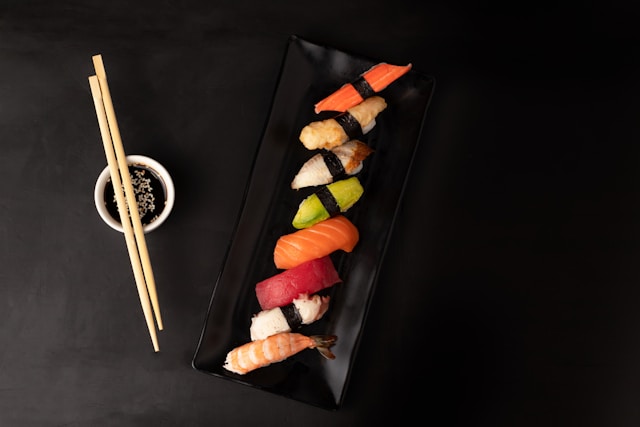
How to Avoid This: Take two minutes to plate your food. Arrange the sushi on a clean ceramic plate or a wooden board. Pour your soy sauce into a proper dipping bowl. This simple act elevates the experience from a mere transaction to a proper dining event, making the food taste that much better.
Conclusion
A successful Sushi Delivery is a partnership. It requires a thoughtful customer who orders strategically, a diligent restaurant that packages with care, and a prompt driver who minimizes transit time. Most bad experiences are not a result of a single catastrophic failure but a series of small, avoidable mistakes that accumulate along the way.
By choosing travel-friendly items, vetting restaurants for their delivery practices, and being an engaged and prepared recipient, you can dramatically increase your chances of a perfect sushi night at home. Don’t let common pitfalls turn your anticipated feast into a frustrating failure. Order smart, and ensure every Sushi Delivery brings you the fresh, vibrant, and delicious experience you deserve.


