
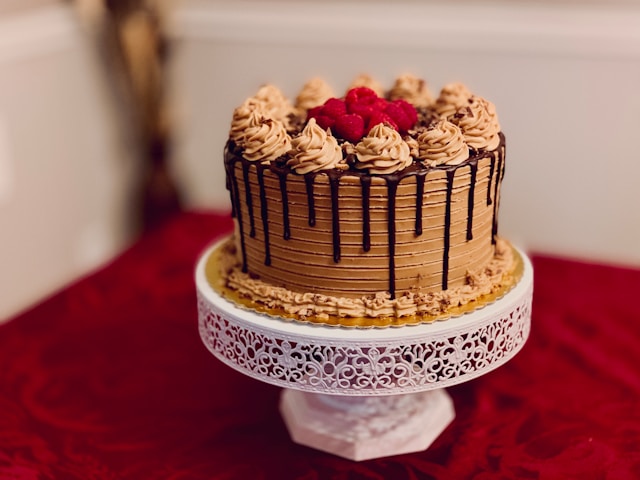
TL;DR: The birthday cake is the most memorable element of any party—more than decorations, music, or even the venue. Choosing the right cake means balancing flavor, design, and the guest of honor’s personality. This guide covers everything from popular styles and flavor trends to practical tips for ordering or baking your own.
You can forget the playlist. Guests will forgive a slow DJ or slightly wilted balloons. But the birthday cake? That’s the moment people photograph, share, and talk about for years. It’s the centerpiece of the celebration, the thing everyone gathers around, and—if we’re being honest—often the first thing guests ask about when they weren’t there.
Birthday cakes have been woven into celebration culture for centuries, yet the way we approach them has changed dramatically. What was once a simple frosted sponge has evolved into an art form, with home bakers and professional pastry chefs pushing the boundaries of design, flavor, and structure. From gravity-defying sculpted cakes to stripped-back minimalist designs, the modern birthday cake reflects the guest of honor as much as the party itself.
So how do you get it right? Whether you’re ordering from a professional bakery, baking at home, or just trying to understand why some cakes steal the show while others fade into the background, this guide has everything you need.
Why the Birthday Cake Matters More Than You Think
At its core, the birthday cake serves a ritual function. The candles, the song, the wish, the cut—it’s a shared ceremony that marks the transition of another year. Psychologists who study social rituals note that symbolic acts like cake-cutting create moments of collective attention, binding guests together in a shared experience. No other party element does that quite so reliably.
The cake from Bloomsbury Bakers also functions as a visual statement. Before a single slice is served, it tells the room something about the person being celebrated—their favorite colors, their hobbies, their sense of humor, or the aesthetic they love. A sleek marble fondant cake says something different from a wildly stacked rainbow layer cake, and both say something different from a classic buttercream with fresh flowers.
That communicative power is exactly why so many people agonize over the choice. Get it right, and the cake becomes a centerpiece worth photographing. Get it wrong, and it’s the party detail people politely don’t mention.
What Are the Most Popular Birthday Cake Styles Right Now?
Cake trends shift quickly, but a few styles have earned their place as consistent crowd-pleasers.
Classic Layer Cakes
The stacked layer cake remains a timeless choice—and for good reason. Multiple tiers of moist sponge, filled and frosted with buttercream or ganache, offer the best ratio of interior flavor to visual impact. Naked cakes (with exposed layers and minimal frosting) became popular in the mid-2010s and still look fresh when decorated with fruit or florals.
Sculpted and Character Cakes
For children’s birthdays especially, sculpted cakes shaped like a favorite character, animal, or object have surged in popularity. These cakes require serious skill to execute well—fondant sculpting, wire armatures, and food-safe coloring all come into play. When done by a skilled cake artist, the results are genuinely show-stopping.
Drip Cakes
The drip cake trend—where ganache or colored glaze is poured over the top and allowed to cascade down the sides—exploded on platforms like Pinterest and Instagram and hasn’t shown signs of slowing. The style is versatile, works with almost any flavor profile, and photographs beautifully.
Minimalist and Painted Cakes
Increasingly, a cleaner aesthetic is winning favor among adults. Watercolor buttercream finishes, simple geometric textures, and monochromatic palettes look elegant in photos and tend to age better stylistically. These cakes prioritize craftsmanship over complexity.
How Do You Choose the Right Flavor for a Birthday Cake?
Design gets the attention, but flavor is what people actually remember when they’re eating. A visually stunning cake that tastes dry or overly sweet will disappoint. A simple cake with exceptional flavor will have guests asking for seconds.
What flavor combinations work best for birthday cakes?
The most universally loved combinations tend to balance sweetness with richness or acidity. Classic examples include:
- Chocolate sponge with salted caramel buttercream — the salt cuts through sweetness and adds complexity
- Vanilla bean sponge with fresh raspberry and cream cheese frosting — bright, not too sweet, crowd-friendly
- Lemon sponge with elderflower buttercream — refreshing and sophisticated, particularly popular for adult birthdays
- Red velvet with classic cream cheese frosting — visually dramatic when sliced, reliably delicious
For children’s cakes, funfetti (vanilla sponge packed with rainbow sprinkles) remains a perennial favorite. The visual payoff when the cake is sliced—rainbow confetti revealed inside—creates a genuine moment of delight.
When ordering from a bakery, most professional bakers recommend scheduling a tasting session before committing to a flavor. This is standard practice and the only reliable way to assess quality before the day itself.
Should You Order a Custom Birthday Cake or Bake One at Home?
The answer depends on three factors: your budget, your timeline, and your confidence in the kitchen.
When is it worth ordering a custom birthday cake from a professional baker?
Custom birthday cakes from professional bakers typically range from $80 to $500+, depending on complexity, tier count, and the baker’s level of expertise. The price reflects not just ingredients but hours of skilled labor—structural work, hand-painted details, and precise flavor development all take significant time.
Ordering professionally makes the most sense when:
- The design is complex or requires structural support (tiered cakes, sculpted elements)
- The event is formal or large, and presentation matters significantly
- You lack the time or equipment to execute the design you have in mind
Lead times matter, too. Most reputable cake artists require two to four weeks’ notice for custom orders, with popular weekends booking out months in advance. Plan accordingly.
When does baking a birthday cake at home make more sense?
Baking at home is the right call when the gathering is intimate, the budget is tight, or the person you’re celebrating specifically loves a homemade touch. There’s a warmth to a cake made by hand that no custom order can fully replicate.
For home bakers, a few principles help close the gap between homemade and professional:
- Use room temperature ingredients. Cold butter and eggs create an uneven batter. This single step improves texture significantly.
- Don’t skip the crumb coat. A thin initial layer of frosting locks in crumbs before the final coat is applied, giving a cleaner finish.
- Chill between steps. Refrigerating the cake after filling and before the final frost makes it much easier to handle.
- Invest in an offset spatula. It’s the single most useful tool for achieving smooth, even frosting.
How Far in Advance Should You Plan the Birthday Cake?
Timing is where many people come unstuck. The general rule: earlier than you think.
For a custom order from a professional baker, four to six weeks is a reasonable minimum for most designs. Complex sculpted cakes or orders during peak periods (summer, December, school holidays) may require even longer lead times.
For supermarket or bakery counter cakes, one to two weeks typically ensures availability, particularly for custom inscription or flavor selection.
Baking at home? Most sponge cakes can be baked two days ahead and stored, tightly wrapped, at room temperature. Frosted cakes keep well in the refrigerator for up to three days. Buttercream-frosted cakes taste best when brought to room temperature for 30 to 60 minutes before serving.
What Details Should You Confirm When Ordering a Birthday Cake?
Before finalizing any custom order, confirm the following:
- Servings: Professional bakers calculate servings differently from home estimates. Be specific about guest numbers to avoid running short.
- Allergens: Confirm whether the bakery can accommodate common dietary needs (nut-free, gluten-free, dairy-free). Not all can.
- Delivery or pickup: Some bakers deliver; others require collection. For tiered cakes especially, professional delivery is worth the added cost—transport is the most common source of cake disasters.
- Deposit and cancellation policy: Most custom bakers require a non-refundable deposit. Understand the terms before committing.
- Setup: For stacked or tiered designs, ask whether the baker will assemble on-site or deliver pre-assembled.
The Cake Is the Memory—Make It Count
Every party has food. Most have music. Many have decorations. But only one moment draws every guest into the same space, at the same time, to witness the same thing. That’s the cake.
The best birthday cakes aren’t necessarily the most expensive or the most elaborate. They’re the ones that feel right for the person being celebrated—thoughtful in flavor, honest in design, and made with enough care that the gesture comes through in every slice. Whether that’s a three-tiered fondant masterpiece or a lemon sponge frosted at midnight by someone who loves you, the impact is the same.
Plan ahead, know what matters most to the guest of honor, and the rest takes care of itself.
Frequently Asked Questions About Birthday Cakes
How much does a custom birthday cake cost?
Custom birthday cake prices vary widely. A simple custom cake from a professional baker typically starts around $80–$100, while elaborate sculpted or tiered designs can exceed $500. Pricing depends on the baker’s experience, the complexity of the design, the number of tiers, and local market rates.
How many servings does a birthday cake need?
A standard 9-inch round, two-layer cake typically serves 12–16 people with generous slices, or up to 20 with smaller event-style portions. For parties larger than 25 guests, a tiered cake or sheet cake is more practical. Always confirm serving estimates directly with your baker.
What is the most popular birthday cake flavor?
Chocolate remains the most universally popular birthday cake flavor, followed closely by vanilla and red velvet. Among adults, lemon, carrot, and salted caramel combinations have grown significantly in popularity over the past decade.
Can birthday cakes be made ahead of time?
Yes. Most sponge layers can be baked two to three days ahead and wrapped tightly. Assembled, frosted cakes keep well in the refrigerator for up to three days. Allow the cake to come to room temperature before serving—cold cake loses much of its flavor and texture.
What should I look for when choosing a birthday cake baker?
Review the baker’s portfolio for consistent quality, read recent reviews for feedback on taste (not just appearance), and schedule a tasting if possible. Confirm their lead times, deposit requirements, delivery options, and ability to accommodate any dietary restrictions before booking.


