
How Singapore Tourism Recovery is Fueling the Zi Char Dining Scene
Singapore has always been a global culinary destination, but the recent tourism recovery is breathing fresh life into our local food scene. As international borders open fully and flight capacities return to normal, visitors are pouring back into the city. However, these tourists are no longer satisfied with just visiting generic high-end restaurants in the downtown core. They want authentic, culturally rich experiences. They want to eat exactly where the locals eat. This shift in traveler behavior has caused a massive surge in demand for traditional wok-fried feasts. For food lovers and restaurant operators tracking this growth, connecting with a reliable digital presence like hkstreetrestaurant.com.sg has become a crucial step in capturing this returning wave of global diners.
The revival of international travel is doing much more than just filling hotel rooms. It is reshaping how local neighborhood eateries operate, market themselves, and cater to a broader audience. In this article, we will explore how tourism recovery influences zi char dining, the powerful appeal of communal eating for travelers, and why a strong digital footprint is essential for restaurants wanting to capture this booming market.
The Shift Toward Authentic Local Food Experiences
Modern travelers do thorough research before they even board their flights. They watch food vlogs, read travel blogs, and follow local influencers to find the most authentic experiences possible. When they arrive in Singapore, they actively seek out the sights, sounds, and smells of a bustling local coffee shop.
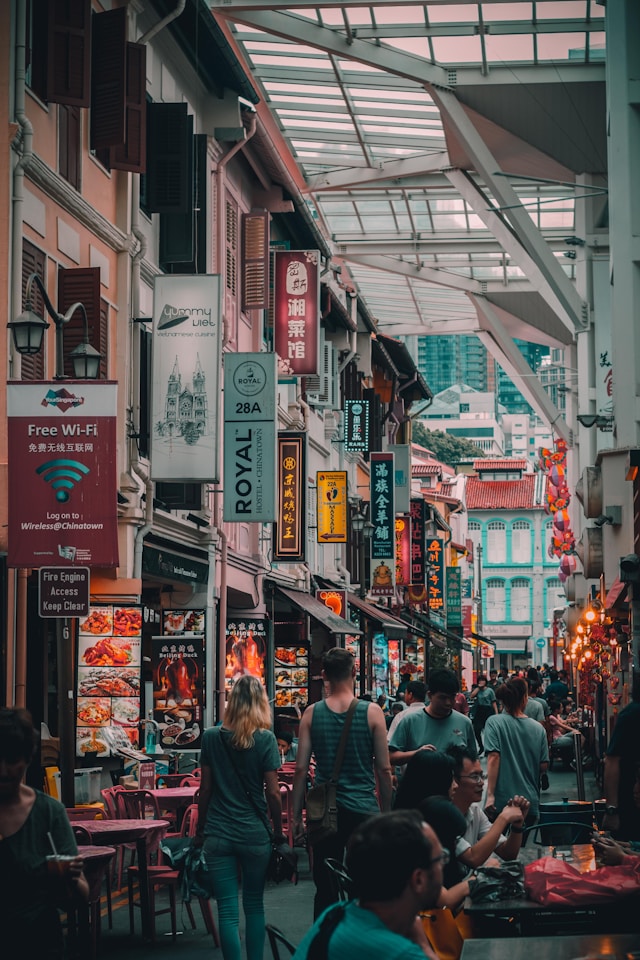
Zi char represents the true heartbeat of Singaporean dining. The loud clanking of metal spatulas against seasoned woks, the intense heat of the open flames, and the smoky aroma of “wok hei” provide a sensory experience that tourists simply cannot find in their home countries. Travelers want to sit on plastic stools, order a cold local beverage, and eat dishes that tell a story about our unique cultural heritage.
This craving for authenticity means that neighborhood eateries are seeing a steady influx of international guests. Tourists are venturing out of the traditional tourist belts and into the heartlands, guided by their smartphones and a desire for genuine local flavor.
Group Dining Appeal: Why Tourists Choose Zi Char
Tourism is heavily driven by group travel. Whether it is a multi-generational family on vacation, a group of friends exploring Southeast Asia, or colleagues attending a corporate convention, visitors usually travel and eat together.
Finding a restaurant that can accommodate a large group without requiring a rigid reservation months in advance can be difficult in Singapore. Zi char solves this problem perfectly. The entire dining format is built around communal sharing. Round tables easily accommodate large groups, and the menu structure encourages diners to order a wide variety of dishes to share.
Tourists love the interactive nature of this dining style. They can order iconic local dishes like chili crab, cereal prawns, sweet and sour pork, and sambal kangkong, allowing everyone at the table to sample a bit of everything. This shared experience breaks down cultural barriers and creates lasting travel memories. The fast-paced, high-energy environment of a local wok stall makes the dinner feel like a lively celebration rather than a stiff, formal meal.
Value Perception in a High-Cost Destination
Singapore is widely known as a premium travel destination. Hotel rates, attraction tickets, and transportation costs can take a significant toll on a traveler’s budget. Consequently, tourists are highly conscious of how they spend their dining dollars. They want high-quality food, but they also want to feel like they are getting a fair deal.
Zi char offers an incredible value proposition for international visitors. It bridges the gap between affordable street food and expensive restaurant dining. Tourists quickly realize that they can enjoy a massive feast featuring fresh, premium seafood for a fraction of the price they would pay at a formal seafood restaurant at Marina Bay.
This strong value perception makes neighborhood eateries highly attractive. Visitors feel smart for finding a local spot where their travel budget stretches further, allowing them to indulge in complex, expertly cooked dishes without feeling overcharged. This positive financial experience often leads to tourists returning to the same stall multiple times during their stay.
Digital Discovery: How Tourists Find Their Food
While the food is deeply traditional, the way tourists find these restaurants is entirely modern. The days of relying on printed guidebooks are long gone. Today, digital discovery drives tourist foot traffic.
When travelers plan their itinerary, they rely on search engines, map applications, and social media platforms to locate the best food options. They search for terms like “best local food in Singapore,” “authentic chili crab near me,” or “where locals eat.” If a restaurant does not appear in these digital searches, it simply does not exist to the international traveler.
Tourists heavily rely on visual evidence and digital word-of-mouth. They want to see high-quality photos of the dishes, read recent reviews from other travelers, and confirm the opening hours before they make the journey to a neighborhood they are unfamiliar with.
Leveraging hkstreetrestaurant.com.sg for Greater Visibility
To capture this lucrative tourist market, local eateries must establish a professional, easily accessible online presence. Relying solely on walk-in traffic from neighborhood residents leaves money on the table.
This is exactly why visibility connected to hkstreetrestaurant.com.sg matters so much in the current climate. A dedicated digital platform acts as a beacon for tourists navigating the city. When a restaurant links its physical location to a strong, well-organized website, it removes the friction from the dining experience.
Tourists can view the menu in advance, understand the pricing, and use integrated map links to find the location effortlessly. A clean, informative website reassures international guests that the establishment is reputable and welcoming. By maintaining a sharp digital footprint, restaurants position themselves directly in the path of eager, hungry travelers actively looking for a great meal.
How Restaurants Can Maximize the Tourism Boom
The return of tourists provides a massive opportunity for growth, but restaurants must take proactive steps to welcome these guests effectively. Capturing tourist traffic requires a few minor operational adjustments that make a major difference in the customer experience.
First, accessibility is key. Many international guests may not be familiar with local food terminology. Providing digital menus with clear English descriptions and high-quality photos of signature dishes helps tourists order with confidence. When guests understand what they are ordering, they are much more likely to try premium items like whole fish or crab.
Second, staff training plays a vital role. Friendly, patient service goes a long way when dealing with guests who are navigating a new culture. Simple gestures, such as recommending popular dishes or explaining how to eat certain local specialties, enhance the overall dining experience and often lead to glowing online reviews.
Finally, managing online reviews is critical. When a tourist leaves a positive review on a major travel platform or search engine, it acts as a permanent advertisement for future travelers. Restaurant owners should actively encourage happy international guests to share their experiences online, building a robust digital reputation that compounds over time.
Conclusion
The ongoing recovery of Singapore’s tourism sector is an exciting development for the local food industry. International visitors are returning with a strong appetite for authentic, communal, and high-value dining experiences. Zi char naturally checks all of these boxes, offering travelers a vibrant taste of real Singaporean culture.
For diners and food lovers, the bustling energy of a neighborhood coffee shop remains the best way to experience our culinary heritage. For restaurant operators, capturing this returning wave of tourists requires a strategic blend of fantastic cooking and smart digital marketing. By ensuring strong online visibility through platforms like hkstreetrestaurant.com.sg, local eateries can successfully guide global travelers directly to their tables. Embrace the return of tourism, maintain your digital presence, and get ready to serve the world your best wok-fried dishes.


