
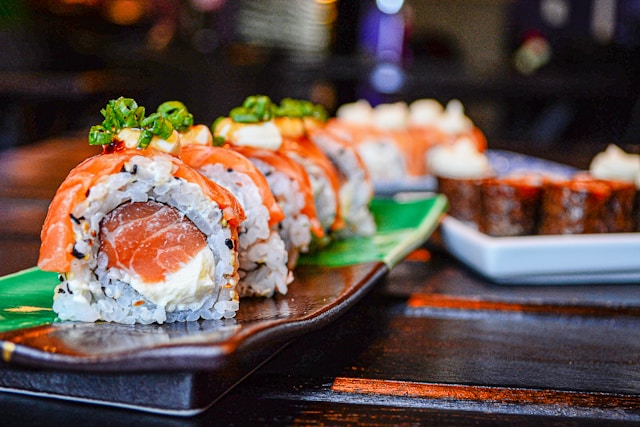
Singapore has a love affair with Japanese cuisine. From high-end Omakase experiences at Marina Bay Sands to quick grab-and-go sushi kiosks in the MRT stations, sushi is woven into the fabric of our food culture. But there is a special kind of satisfaction that comes from rolling your own maki or slicing your own sashimi in the comfort of your HDB flat or condo kitchen.
Making sushi at home can feel intimidating. The precision, the raw fish, the sticky rice—it all seems like a craft reserved for chefs with decades of training. However, the truth is that with the right ingredients and a bit of patience, anyone can create delicious, restaurant-quality sushi at home. In Singapore, we are blessed with incredible access to Japanese supermarkets and fresh produce markets, making the barrier to entry lower than ever.
This guide will walk you through everything you need to know to host your own sushi night. We will cover where to buy safe, high-quality ingredients in Singapore, how to perfect that elusive vinegared rice, and the techniques you need to roll like a pro. Forget the queue at the mall; tonight, the best sushi bar in town is your dining table.
Sourcing Ingredients in Singapore: The Critical First Step
The most important rule of sushi is freshness. Because the preparation is so simple, you cannot hide poor-quality ingredients. In Singapore, we have several excellent options for sourcing authentic Japanese products.
Where to Buy Sashimi-Grade Fish
You cannot simply buy any fish from the wet market and eat it raw. You must look for “sashimi-grade” fish, which has been handled and frozen specifically to kill parasites.
- Don Don Donki: With outlets all over the island, this is the most accessible spot for most home cooks. They offer a wide range of sashimi blocks (saku) at reasonable prices. Look for the blocks of salmon, tuna (maguro), and yellowtail (hamachi) in the refrigerated section.
- Meidi-Ya: Located at Millenia Walk, Meidi-Ya is known for premium quality. Their fish selection is often flown in directly from Japan. It is pricier than Donki, but the quality is exceptional.
- Zairyo: If you prefer delivery, Zairyo is a fantastic online grocer based in Singapore that supplies many restaurants. They offer air-flown uni (sea urchin), scallops, and seasonal fish directly to your doorstep.
- Kuriya Japanese Market: Often found in suburban malls like Great World City or Tiong Bahru Plaza, Kuriya offers a good middle ground between convenience and quality, often offering slicing services.
The Rice: Japonica is Non-Negotiable
Do not attempt to make sushi Singapore with Jasmine rice or Basmati rice. The texture will be wrong, and the roll will fall apart. You need short-grain Japanese rice (Japonica), which contains the higher starch content required to make the grains stick together. Brands like Koshihikari or Akitakomachi are excellent choices available at most NTUC FairPrice Finest or Cold Storage outlets.
Essential Pantry Staples
Aside from fresh ingredients, stock up on these essentials:
- Nori Sheets: Look for dark green, crisp sheets. Avoid any that look purple or stale.
- Sushi Vinegar (Sushi-su): You can make your own with rice vinegar, sugar, and salt, but buying a pre-mixed bottle saves time and ensures the correct balance.
- Wasabi and Pickled Ginger (Gari): These palate cleansers are essential for the full experience.
- Soy Sauce (Shoyu): Use Japanese soy sauce (like Kikkoman), which is lighter and slightly sweeter than local Chinese dark soy sauce.
The Art of Shari: Perfecting Sushi Rice
The word “sushi” actually refers to the sour rice, not the fish. If your rice is bad, your sushi is bad. Period. The goal is rice that is fluffy, distinct, and sticky enough to hold together but not mushy.
Washing the Rice
This is the step most beginners skip, but it is crucial. You must wash the rice to remove excess surface starch. If you don’t, your rice will be gummy.
- Place rice in a bowl and cover with cold water.
- Gently swirl your hand in the rice. The water will turn milky white.
- Drain and repeat this process 3 to 5 times until the water runs mostly clear.
- Let the rice drain in a colander for 15 minutes before cooking.
Cooking and Seasoning
Use a rice cooker for the best results. If using a pot, use a 1:1.1 ratio of rice to water.
- Once the rice is cooked, transfer it immediately to a large, wide bowl (traditionally a wooden hangiri, but a large glass bowl works).
- While the rice is famously hot, pour your sushi vinegar over a rice paddle (shamoji) to distribute it evenly.
- The Cut and Fold: Do not stir! Use a slicing motion with the paddle to mix the vinegar in. stirring will mash the grains.
- Fan the Rice: While mixing, fan the rice (or have a helper do it) to cool it down quickly. This gives the rice a glossy shine and stops the cooking process.
- Cover with a damp cloth to keep it moist until you are ready to roll. Do not refrigerate it; sushi rice should be served at room temperature (body temperature is ideal).
Mastering the Maki Roll
Now that your ingredients are prepped, it’s time to roll. The Maki roll is the most common form of sushi made at home.
Preparation
Set up your station. You will need:
- Your bowl of seasoned rice.
- A bamboo rolling mat (makisu). Pro Tip: Wrap your mat in cling wrap. This prevents rice from sticking to the bamboo and makes cleanup instant.
- A small bowl of water mixed with a teaspoon of vinegar (Tezu). This is for dipping your hands to prevent rice from sticking to your skin.
- Your fillings sliced into long, thin strips.
Step-by-Step Rolling
- Place the Nori: Lay a sheet of nori on the mat, rough side facing up.
- Spread the Rice: Wet your hands in the Tezu. Grab a handful of rice (about the size of a tennis ball) and place it in the center. Gently spread it out to the edges, leaving a 1-inch strip of nori empty at the top edge. Do not squash the rice; press gently.
- Add Fillings: Place your ingredients (cucumber, avocado, salmon, tamago) in a horizontal line across the center of the rice. Don’t overstuff, or the roll won’t seal.
- The Roll: Lift the bottom edge of the bamboo mat (closest to you) and roll it over the fillings. Tuck the edge of the nori tightly against the fillings with your fingers.
- Seal: Continue rolling forward until the empty strip of nori meets the roll. Apply a gentle squeeze with the mat to shape the roll (square or round).
- Cut: Transfer to a cutting board. Using a very sharp knife, wipe the blade with a wet cloth. Slice the roll in half, then line up the halves and cut into three even pieces (making 6 pieces total). Wipe the knife between every cut to prevent dragging.
Singapore-Style Sushi Variations
One of the best things about making sushi at home in Singapore is that you can adapt it to local tastes. We love our spice and our fried food, so why not incorporate that?
The “Chili Crab” Roll
Instead of traditional tuna, use cooked crab meat (fresh or high-quality stick). Mix a small amount of mayonnaise with a dash of Sriracha or local sambal oelek for a kick. Top the roll with fried shallots for that quintessential Singaporean crunch.
Salted Egg Tempura Roll
If you have leftover tempura prawns (or store-bought ebi fry), roll them up with avocado. Drizzle a homemade salted egg yolk sauce over the top. It’s rich, savory, and incredibly addictive.
Vegetarian Options
Given the variety of fresh produce at our wet markets, vegetarian sushi is easy. Try pickling local cucumbers or using blanched asparagus. You can even marinate firm tofu in soy sauce and ginger as a protein substitute.
Safety Tips for Handling Raw Fish
Handling raw food in Singapore’s humid climate requires extra care. Food poisoning is not on the menu.
- The 2-Hour Rule: Never leave raw fish out at room temperature for more than 2 hours. In our non-air-conditioned kitchens, reduce that to 1 hour or less.
- Keep it Cold: Keep your fish in the fridge until the very last second before slicing. If you are serving a platter, place the serving plate on top of a bowl of crushed ice.
- Cleanliness: Wash your hands thoroughly before and after handling raw fish. Sanitize your cutting board and knife immediately after use to prevent cross-contamination with other ingredients.
Troubleshooting Common Mistakes
Even seasoned home cooks run into trouble. Here are quick fixes for common issues:
- Rice is too hard: You likely didn’t soak the rice long enough or used too little water. Next time, let the rice soak in the water for 30 minutes before turning on the cooker.
- Nori is chewy: This usually happens if you let the roll sit too long before eating, or if the rice was too wet and steamed the seaweed. Serve immediately after cutting.
- Roll is falling apart: You probably didn’t squeeze the mat firmly enough during the rolling process, or you used the wrong type of rice. Ensure you are using Japonica rice and apply gentle but firm pressure when shaping.
Hosting a DIY Sushi Party
Sushi is a communal food. Instead of slaving away in the kitchen alone while your guests wait, turn it into an activity. This is popular in Japan and works perfectly for Singaporean gatherings.
Create a “Temaki” (Hand Roll) bar. Cut the nori sheets into quarters (small squares). Lay out platters of sushi rice, sliced sashimi, cucumber sticks, avocado, crab stick, and spicy mayo. Let your guests scoop a little rice onto a nori square, add their favorite toppings, and roll it into a cone by hand.
It requires zero rolling skills, allows everyone to customize their dietary preferences, and takes the pressure off the host. Pair this with some cold sake or iced green tea, and you have a perfect weekend dinner party.
Conclusion
Making sushi in Singapore is a rewarding culinary adventure. It connects you with the ingredients, saves you money compared to high-end dining, and allows for endless creativity. Whether you stick to the traditional Nigiri or experiment with a Sambal Salmon roll, the key is to have fun with the process.
Start with a simple shopping trip to Don Don Donki or your local Japanese grocer. Buy a small block of salmon and a bag of Japanese rice. The first roll might look a little wonky, but the second will be better, and by the third, you’ll be planning your next sushi night before the dishes are even done.


