
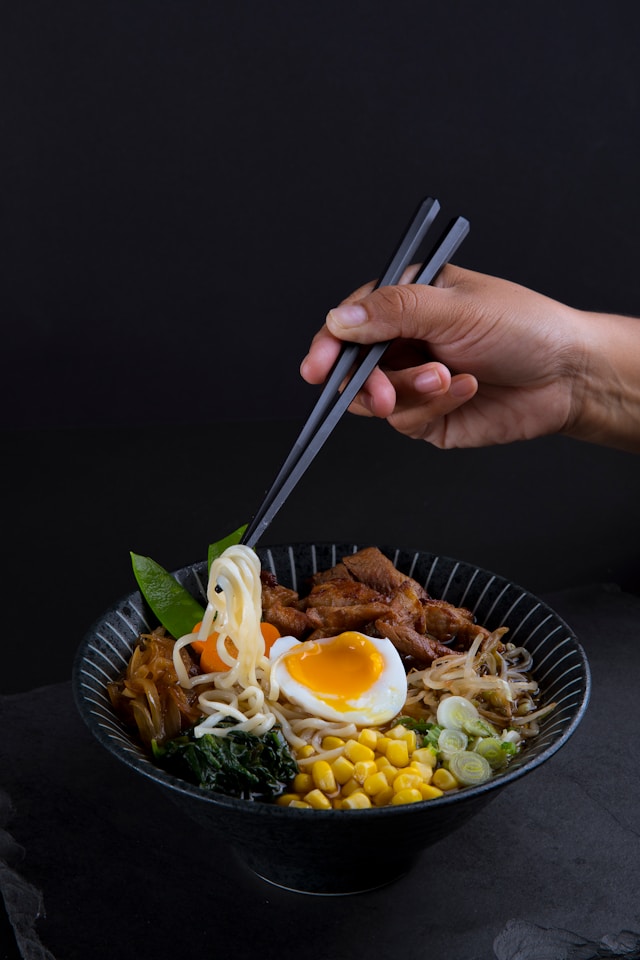
Japanese cuisine, known as washoku, is celebrated globally not just for its incredible flavor profiles but for its entire philosophy surrounding food. It is a cuisine that deeply respects ingredients, seasons, and the art of presentation. From the humblest bowl of miso soup to the most elaborate kaiseki banquet, eating in Japan is a sensory experience that goes far beyond mere sustenance.
In 2013, UNESCO recognized traditional Japanese cuisine as an Intangible Cultural Heritage, cementing its status as one of the world’s most significant culinary traditions. But what exactly makes it so special? It isn’t just one thing; it is a combination of meticulous preparation, health-conscious principles, and a deep cultural connection to nature.
Whether you are a sushi aficionado, a ramen enthusiast, or someone just starting to explore the depths of miso and matcha, understanding the core qualities of this cuisine enhances every bite. Here are the top 12 best qualities of Japanese food that make it truly unique.
1. Obsessive Freshness of Ingredients
The cornerstone of Japanese cooking is the quality of the raw material. Chefs and home cooks alike operate on the principle that you should taste the ingredient itself, not just the spices masking it. This reverence for freshness is best exemplified in dishes like sashimi, where there is nowhere for poor quality fish to hide.
This focus extends to vegetables and meats as well. In Japanese supermarkets, you will often see the face of the farmer who grew the cabbage or the daikon radish printed right on the packaging. This transparency fosters a connection between the producer and the consumer, ensuring that freshness is prioritized at every step of the supply chain. When ingredients are this fresh, they require less manipulation, leading to cleaner, more potent flavors.
2. Seasonality (Shun)
Closely linked to freshness is the concept of shun—the exact moment an ingredient is at its peak flavor and nutritional value. While many cultures appreciate seasonal eating, Japan turns it into an art form. You know exactly what time of year it is simply by looking at a menu.
In spring, you will find menus dominated by sakura (cherry blossom) flavored sweets and bamboo shoots. Summer brings cooling noodles and unagi (eel) to combat the humidity. Autumn is famous for sanma (Pacific saury) and chestnuts, while winter is the time for warming hot pots (nabe) and root vegetables. Eating shun ingredients is believed to bring the body into harmony with nature, providing the nutrients most needed for that specific weather.
3. The Rule of Five
Japanese cuisine at En Sushi is guided by a philosophy known as the “Rule of Five.” A traditional meal should include five colors (green, red, yellow, white, and black), five preparation methods (raw, simmered, grilled, fried, and steamed), and five flavors (salty, sour, sweet, bitter, and umami).
This rule ensures nutritional balance and visual appeal, but it also guarantees a complex dining experience. A teishoku (set meal) is a perfect example of this. You might have grilled fish (salty/grilled), a bowl of rice (white/steamed), pickles (sour/yellow), a miso soup (umami), and a side vegetable (green/simmered). This variety satisfies the palate completely, preventing the “flavor fatigue” that often comes from eating a large portion of a single dish.
4. Umami: The Fifth Taste
While scientists have identified umami as a basic taste receptor relatively recently, Japanese cooks have utilized it for centuries. Umami is that savory, deep, meatiness found in ingredients like soy sauce, miso, shiitake mushrooms, and bonito flakes. It is the backbone of dashi, the stock that forms the base of countless Japanese dishes.
Unlike the heavy sauces of French cuisine which are often fat-based, Japanese richness comes from umami. This allows dishes to be deeply flavorful and satisfying without being heavy or greasy. It is why a clear broth can taste just as robust as a cream soup. Mastering the use of kelp (kombu) and fermented products allows Japanese cuisine to achieve a depth of flavor that is difficult to replicate elsewhere.
5. Visual Aesthetics and Presentation
In Japan, it is often said that you “eat with your eyes.” The visual presentation of a meal is considered just as important as the taste. This is not just about making food look pretty; it’s about reflecting the beauty of nature.
Ingredients are often cut to resemble natural shapes—carrots shaped like plum blossoms or cucumbers carved into leaves. The tableware is chosen carefully to contrast with the food; a square dish might hold round items, or a dark ceramic bowl might hold white tofu to create visual impact. Even a simple bento box is packed with an eye for color coordination and balance. This aesthetic appreciation forces the diner to slow down and appreciate the artistry before taking the first bite.
6. Nutritional Balance and Health Benefits
It is no secret that Japan has one of the highest life expectancies in the world, and diet plays a massive role in this longevity. The traditional Japanese diet is low in red meat, dairy, and sugar, and high in fish, soy products, rice, and vegetables.
The cooking methods contribute to this healthfulness. Steaming, simmering, and grilling are far more common than deep-frying. When fried foods like tempura are eaten, they are usually accompanied by grated daikon radish to help digest the oils. Furthermore, the reliance on fermented foods like natto (fermented soybeans), miso, and pickles provides a constant source of probiotics, promoting excellent gut health.
7. Portion Control (Hara Hachi Bu)
While not an ingredient itself, the cultural approach to portion sizes is a defining quality of Japanese food. Portions in Japan are generally smaller than in the West. Meals are served in multiple small dishes rather than one large plate. This style of eating encourages slower consumption and allows the brain to register fullness before overeating occurs.
There is a Confucian teaching in Japan called Hara Hachi Bu, which instructs people to eat until they are 80% full. This practice is ingrained in the dining culture. Because the food is nutrient-dense and varied in flavor (thanks to the Rule of Five), diners feel satisfied with less volume, avoiding the lethargy that often follows a heavy meal.
8. Mastery of Fermentation
Fermentation is the hidden hero of the Japanese pantry. Beyond just preserving food, fermentation creates complex flavors and health benefits. Soy sauce, miso, sake, mirin, and vinegar are all products of fermentation.
Tsukemono (pickles) are an essential part of almost every meal. They cleanse the palate and provide contrast to the rice. But the mastery goes deeper. Nukazuke, for example, are vegetables pickled in a bed of fermented rice bran, requiring daily maintenance by hand. This ancient preservation technique adds a distinctive funk and tang that anchors the meal. This reliance on fermentation adds layers of complexity that fresh ingredients alone cannot achieve.
9. Respect for the Whole Ingredient (Mottainai)
Mottainai is a Japanese term that conveys a sense of regret concerning waste. In the kitchen, this translates to using every part of an ingredient. Fish heads are grilled or used for soup stock; turnip greens are sautéed rather than discarded; leftover rice becomes ochazuke (rice with tea) or fried rice.
This quality is rooted in Buddhist philosophies and resource scarcity on an island nation. It pushes chefs to be creative. A daikon radish, for instance, offers different textures and flavors depending on which part of the root you use—the top is sweeter and good for salads, while the bottom is spicier and holds up well in stews. Understanding and utilizing the entire ingredient shows a deep respect for the life that was taken to provide the meal.
10. Variety of Regional Cuisines
While we often think of “Japanese food” as a monolith, the regional variety is staggering. The geography of Japan stretches from the snowy north of Hokkaido to the tropical islands of Okinawa, and the food changes drastically along the way.
In Hokkaido, you will find rich, butter-topped miso ramen and incredible dairy and crab. In Osaka, the “kitchen of Japan,” flour-based street foods like takoyaki and okonomiyaki reign supreme. Kyoto is famous for Shojin Ryori (Buddhist vegetarian cuisine) and delicate tofu dishes. Exploring Japanese food is an endless journey because every prefecture, and often every town, has a meibutsu (local specialty) that they have perfected over generations.
11. Hospitality (Omotenashi)
Omotenashi is the Japanese mindset of hospitality, centered around anticipating a guest’s needs before they even ask. This quality permeates the dining experience. It is why you are given a hot towel (oshibori) to clean your hands before eating, and why tea is refilled without asking.
In a culinary context, omotenashi influences how food is prepared and served. A chef might cut a piece of sushi slightly smaller for a customer with a smaller mouth or adjust the temperature of a soup depending on the weather outside. It elevates the act of eating from a transaction to a relationship between the host and the guest, making the food taste better because of the care infused into it.
12. Constant Innovation
Despite its deep respect for tradition, Japanese cuisine is incredibly adaptable and innovative. Japan has a history of adopting foreign dishes and making them distinctly Japanese (yoshoku). Curry, originally from India via the British navy, has become one of Japan’s national comfort foods, sweeter and thicker than its ancestors.
Ramen, originally Chinese wheat noodles, has been adapted into a distinctly Japanese obsession with thousands of regional variations. This willingness to experiment—blending traditional techniques with modern ingredients or foreign concepts—keeps the cuisine alive and exciting. It is not a museum piece; it is a living, breathing culinary culture that continues to evolve.
Conclusion
Japanese food is far more than just sushi and tempura. It is a complex cultural system built on respect—respect for nature, respect for the body, and respect for the ingredients. From the obsessive freshness of the seafood to the comforting depth of miso soup, these 12 qualities combine to create a cuisine that is healthy, beautiful, and deeply satisfying.
If you are looking to incorporate some of these principles into your own life, start small. Try eating seasonally, focus on presentation, or simply practice eating until you are 80% full. By adopting the mindset of washoku, you can transform your daily meals into moments of mindfulness and joy.


