
Japanese cuisine has grown into one of the most beloved food cultures worldwide. From the precision of sushi to the soul-warming comfort of ramen, it offers something for almost every palate. That kind of universal appeal makes opening a Japanese restaurant an exciting business opportunity—but it also means the market is competitive.
To build a Japanese restaurant that truly stands out, you need more than a solid menu. The concept, ambiance, service style, and marketing all need to work together. This guide walks you through the most effective Japanese restaurant ideas to help you launch or grow a thriving business, whether you’re starting from scratch or looking to refresh an existing space.
Choose a Restaurant Concept That Resonates
One of the first—and most important—decisions you’ll make is choosing a concept. Japanese cuisine spans an enormous range of dining styles, each with its own audience and operational requirements.
Ramen Bar
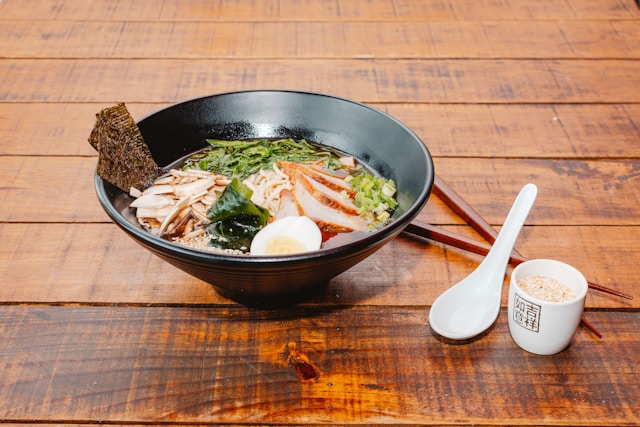
Ramen bars are popular for good reason. They’re fast, affordable, and have a passionate fanbase. A well-executed ramen bar can drive high foot traffic and repeat customers. Focus on developing a signature broth—tonkotsu, shoyu, miso, or shio—and offer customizable toppings to keep guests engaged. A smaller, more casual space works well here, which also keeps overhead manageable.
Omakase Experience
On the opposite end of the spectrum, an omakase restaurant offers a curated, chef-led dining experience where guests surrender the menu choices to the kitchen. This model commands premium pricing and attracts food lovers willing to spend on exceptional quality. Success here hinges on exceptional sourcing, skilled chefs, and an intimate atmosphere. Reservations-only formats help maintain exclusivity and control costs.
Izakaya
Izakayas are Japanese gastropubs—casual, convivial spaces where food and drinks are equally important. Small sharing plates, yakitori skewers, edamame, and Japanese whisky or sake create a social atmosphere that encourages longer visits and higher per-table spending. Izakayas have become particularly popular in urban markets, where the after-work crowd is always looking for a relaxed spot to unwind.
Sushi Restaurant
Sushi restaurants remain a staple concept with strong demand. You can differentiate by focusing on a particular style—traditional Edomae sushi, creative fusion rolls, or a conveyor belt (kaiten-sushi) format that adds a fun, interactive element. Each approach serves a different customer base and price point.
Bento and Fast-Casual
For entrepreneurs looking to enter the market with lower startup costs, a fast-casual bento concept is worth exploring. Pre-packed or made-to-order bento boxes are well-suited to lunch crowds, delivery platforms, and food courts. They’re also highly adaptable for catering opportunities.
Design an Ambiance That Tells a Story
The physical environment of your restaurant shapes how guests feel from the moment they walk in. Japanese design principles offer a rich foundation to work from.
Embrace Wabi-Sabi
Wabi-sabi is the Japanese aesthetic of finding beauty in imperfection and simplicity. Incorporate raw materials like unfinished wood, stone, ceramic, and linen. Avoid over-decorating. A thoughtfully sparse interior often feels more intentional—and more memorable—than a cluttered one.
Use Lighting Strategically
Warm, low lighting creates intimacy and encourages guests to linger. Pendant lights made from washi paper, bamboo, or rattan add an authentic visual element without being heavy-handed. Avoid harsh fluorescent lighting, which undermines the dining atmosphere regardless of how good the food is.
Create Distinct Zones
Offering varied seating arrangements—counter seating, private booths, communal tables—gives guests the flexibility to choose their own experience. Counter seating facing an open kitchen is particularly effective in sushi or ramen bars, where watching the preparation is part of the entertainment.
Incorporate Natural Elements
Plants, water features, and natural textures bring life into the dining room and subtly reinforce the connection to nature that runs through Japanese culture. Even small touches—a single branch in a ceramic vase, a moss arrangement—can elevate the overall aesthetic.
Build a Menu With Depth and Coherence
A well-constructed menu does more than list dishes. It tells customers who you are and what they can expect.
Lead With Signature Items
Every successful restaurant has a handful of dishes that customers come back for. Identify two or three items that best represent your concept and make them the anchors of your menu. Build the rest of the menu around them.
Keep It Focused
A long menu sounds like a good idea but often works against you. It increases food costs, complicates kitchen operations, and dilutes your identity. Aim for a concise, cohesive selection that can be executed consistently at high quality.
Highlight Seasonal and Local Ingredients
Japanese cuisine has a deep respect for seasonality—the concept of shun refers to ingredients at their seasonal peak. Rotate specials based on what’s freshest and locally available. This keeps the menu dynamic and gives regulars a reason to return.
Develop a Beverage Program
Drinks are a significant revenue driver. A thoughtful Japanese beverage program might include sake, Japanese whisky, shochu, matcha-based drinks, and yuzu cocktails. Train your staff to make confident recommendations, and consider offering sake pairing suggestions alongside your food menu.
Create Memorable Customer Experiences
Food quality gets customers in the door. Experience keeps them coming back.
Train Staff in Hospitality Philosophy
Omotenashi—the Japanese concept of wholehearted hospitality—centers on anticipating a guest’s needs before they’re expressed. Training your team to embody this philosophy, from greeting guests to clearing plates, sets a service standard that customers notice and remember.
Offer Tableside Experiences
Interactive elements create memorable moments. A tableside miso soup preparation, a sake tasting flight, or a live yakitori station all add theater to the dining experience without requiring major operational changes.
Build a Loyalty Program
Repeat customers are the backbone of any restaurant’s revenue. A simple loyalty program—digital or physical—gives regulars an incentive to return and helps you build a direct communication channel for promotions and events.
Market Your Japanese Restaurant Effectively
A great restaurant with no visibility won’t survive. Here’s how to build awareness and attract the right customers.
Invest in Food Photography
Japanese cuisine is extraordinarily photogenic. High-quality images of your dishes—especially for social media and your website—make a significant difference in attracting new customers. Consider hiring a food photographer for a professional shoot when you launch, then build a habit of capturing new menu items consistently.
Leverage Social Media
Instagram and TikTok are particularly powerful platforms for food businesses. Share behind-the-scenes content from your kitchen, showcase new seasonal dishes, and feature customer moments. Engaging video content—like the preparation of a sushi roll or the pour of a matcha latte—consistently performs well.
Partner With Local Influencers
Micro-influencers with engaged local followings can drive meaningful foot traffic, especially during your launch phase. Offer a complimentary tasting in exchange for an honest review or social post. The authenticity of micro-influencer content often outperforms paid advertising for restaurants.
Engage With Review Platforms
Google, Yelp, and TripAdvisor play a major role in a diner’s decision-making process. Actively encourage satisfied guests to leave reviews, and respond professionally to all feedback—positive and negative. A pattern of thoughtful responses signals to potential customers that you genuinely care about your guests’ experience.
Host Events and Themed Nights
Events give people a specific reason to visit on a particular date. Sake tasting nights, ramen workshops, omakase pop-ups, or Japanese holiday celebrations like Hanami (cherry blossom viewing) and Obon can generate buzz and attract new audiences. These events are also highly shareable on social media, extending your reach organically.
Manage Operations for Long-Term Success
Even the best concept can struggle without sound operational practices.
Source Ingredients Thoughtfully
Authenticity matters to Japanese food enthusiasts, and sourcing quality ingredients is non-negotiable. Establish relationships with reputable suppliers for staples like dashi, miso, soy sauce, nori, and fresh fish. Where premium Japanese imports are out of budget, seek locally produced equivalents that maintain quality standards.
Minimize Food Waste
The Japanese philosophy of mottainai—a deep reluctance to waste—is both culturally resonant and financially smart. Implement a nose-to-tail approach with proteins, use vegetable offcuts for stocks and broths, and track waste regularly to identify patterns and opportunities for improvement.
Use Technology to Streamline Service
Online reservations, digital menus, and kitchen management software reduce friction for both staff and guests. QR code menus, for example, are now widely accepted and offer the added benefit of being easy to update when you rotate seasonal items.
Finding Your Place in the Japanese Food Scene
Opening or growing a Japanese restaurant is as much about clarity of vision as it is about culinary skill. The most successful concepts are those with a strong point of view—a clear understanding of who they’re serving, what experience they’re delivering, and why their version of Japanese cuisine is worth seeking out.
Start by choosing a concept that genuinely excites you. Layer in a design aesthetic that supports it. Build a menu that showcases your strengths. Then invest in the hospitality and marketing that turns first-time visitors into regulars.
The Japanese restaurant industry rewards authenticity, attention to detail, and consistency. Get those three things right, and you’ll have the foundation for a business that lasts.


