
Food serves as more than sustenance—it’s a window into culture, history, and philosophy. Two culinary traditions that showcase this beautifully are Japanese and Western cuisines, each offering distinct approaches to ingredients, preparation, and dining experiences.
Japanese cuisine emphasizes seasonal ingredients, minimal processing, and visual harmony. Meals often feature multiple small dishes that balance flavors, textures, and colors. Western food, particularly from European and American traditions, tends toward heartier portions, rich sauces, and protein-centered plates.
Understanding these differences can enhance your appreciation for both styles and help you make informed choices about what to cook or order. Whether you’re planning a dinner party, exploring new restaurants, or simply curious about culinary traditions, this guide will help you navigate the fascinating contrasts between Japanese and Western food cultures.
Philosophy and Approach to Food
Japanese Food Philosophy
Japanese cuisine operates on the principle of washoku, which emphasizes harmony between natural flavors, seasonal ingredients, and visual presentation. This philosophy views food as art, with each dish carefully composed to reflect the season and honor the ingredients’ natural qualities.
The concept of ichijuu sansai (one soup, three dishes) forms the foundation of traditional Japanese meals. This structure includes rice, miso soup, pickled vegetables, and three side dishes featuring different cooking methods—perhaps something grilled, steamed, and raw.
Portion control plays a central role in Japanese dining. Rather than serving large quantities of individual dishes, meals feature small portions of various foods. This approach encourages mindful eating and allows diners to experience multiple flavors and textures throughout the meal.
Western Food Philosophy
Western cuisine prioritizes abundance, comfort, and bold flavors. Meals typically center around a protein source—meat, poultry, or fish—accompanied by starches and vegetables. This approach reflects agricultural traditions where hearty meals provided energy for physical labor.
Western cooking often involves transforming ingredients through complex preparations. Sauces, marinades, and cooking techniques like roasting, braising, and frying add layers of flavor. The goal is frequently to enhance or modify the natural taste of ingredients rather than preserve them.
Individual expression and creativity drive Western culinary culture. Chefs are celebrated for innovation and personal style, leading to fusion cuisines and experimental dishes that blend traditions from multiple cultures.
Key Ingredients and Staples
Japanese Pantry Essentials
Rice forms the cornerstone of Japanese cuisine, appearing in nearly every meal. Short-grain Japanese rice provides the perfect texture for sushi, onigiri, and as a side dish. Beyond plain rice, variations like sushi rice (seasoned with vinegar) and takikomi gohan (mixed rice with vegetables) showcase its versatility.
Seafood dominates protein choices, reflecting Japan’s island geography. Fresh fish appears raw in sashimi and sushi, grilled as yakitori-style preparations, or incorporated into soups and stews. Dried fish products like bonito flakes (katsuobushi) serve as umami-rich seasonings.
Fermented foods provide complex flavors and beneficial probiotics. Miso paste, made from fermented soybeans, creates the base for soups and marinades. Soy sauce adds saltiness and depth, while mirin contributes sweet notes to sauces and glazes.
Vegetables are treated with reverence, often prepared simply to highlight their natural flavors. Seasonal choices like bamboo shoots in spring, eggplant in summer, and root vegetables in winter connect meals to nature’s rhythm.
Western Pantry Essentials
Wheat products anchor Western meals through bread, pasta, and baked goods. These carbohydrates serve as vehicles for other flavors and provide substantial energy. From crusty French bread to hearty German rye, grain-based foods reflect regional preferences and traditions.
Meat and poultry typically serve as meal centerpieces. Beef, pork, chicken, and lamb are prepared using various techniques to achieve different textures and flavors. Western cuisine celebrates both simple preparations like grilled steaks and complex dishes like coq au vin.
Dairy products add richness and flavor complexity rarely found in traditional Japanese cooking. Butter, cream, cheese, and milk appear in sauces, desserts, and as standalone ingredients. These products contribute to the hearty, satisfying quality characteristic of Western meals.
Herbs and spices from around the world season Western dishes. Mediterranean herbs like basil and oregano, warming spices like cinnamon and nutmeg, and pungent aromatics like garlic and onions create the bold flavor profiles Western palates expect.
Cooking Methods and Techniques
Japanese Cooking Techniques
Steaming preserves ingredients’ natural flavors and nutritional content. This gentle method appears in dishes like chawanmushi (savory egg custard) and steamed vegetables that accompany rice.
Grilling (yakimono) over charcoal imparts subtle smokiness while maintaining clean flavors. Fish, vegetables, and small pieces of meat are often grilled with minimal seasoning to highlight their inherent qualities.
Raw preparation showcases ingredient quality and knife skills. Sashimi and sushi require pristine fish and precise cutting techniques. The absence of cooking means every aspect of preparation becomes critical.
Light frying using techniques like tempura creates crispy textures while keeping ingredients recognizable. The light batter preserves vegetables’ and seafood’s natural flavors rather than masking them.
Western Cooking Techniques
Roasting develops deep, complex flavors through caramelization. Whole chickens, beef roasts, and root vegetables transform in the oven’s dry heat, creating rich tastes and appealing textures.
Braising combines moist and dry heat to tenderize tough ingredients. Classic dishes like pot roast and coq au vin demonstrate how long, slow cooking can transform inexpensive cuts into luxurious meals.
Sautéing provides quick cooking over high heat, often with butter or oil. This technique allows for last-minute seasoning adjustments and creates dishes with varied textures within the same pan.
Sauce-making represents a fundamental Western skill. From basic pan gravies to complex mother sauces like hollandaise and béchamel, sauces add flavor, moisture, and visual appeal to dishes.
Nutritional Profiles and Health Benefits
Japanese Food Nutrition
Traditional Japanese diets consistently rank among the world’s healthiest, contributing to Japan’s exceptional longevity rates. The emphasis on fresh seafood provides omega-3 fatty acids, which support heart and brain health. Regular consumption of fish like salmon, mackerel, and sardines delivers high-quality protein with beneficial fats.
Fermented foods like miso, natto, and pickled vegetables introduce beneficial probiotics that support digestive health. These foods at Tengoku also provide enzymes that aid nutrient absorption and may boost immune function.
The abundance of vegetables ensures high fiber intake and a wide range of vitamins and minerals. Seaweed varieties like nori, wakame, and kombu contribute iodine, calcium, and other trace minerals often lacking in land-based diets.
Portion control built into Japanese dining culture naturally supports weight management. The practice of eating until 80% full (hara hachi bu) helps prevent overconsumption while still providing satisfaction.
Western Food Nutrition
Western diets vary significantly by region and personal choices, but traditional patterns often emphasize protein and energy density. Well-balanced Western meals provide complete proteins through meat, dairy, and egg consumption, supporting muscle maintenance and growth.
Dairy products contribute calcium, vitamin D, and protein essential for bone health. The variety of preparation methods can enhance nutrient absorption—for example, cooking tomatoes increases lycopene availability.
However, typical Western eating patterns may include higher calories, saturated fats, and processed ingredients compared to traditional Japanese diets. Modern Western cuisine increasingly incorporates healthier preparation methods and plant-based options to address these concerns.
The Western emphasis on larger portions and protein-centric meals can support active lifestyles and physical demands but may contribute to overconsumption in sedentary populations.
Cultural Dining Experiences
Japanese Dining Culture
Presentation holds equal importance to taste in Japanese cuisine. Each dish is carefully arranged to create visual harmony, often incorporating natural elements like bamboo leaves or seasonal flowers. The aesthetic principle of kanso (simplicity) guides plating, where empty space is as important as filled areas.
Communal sharing characterizes traditional Japanese meals. Multiple dishes are placed in the center of the table, allowing diners to sample various flavors throughout the meal. This approach encourages conversation and creates a sense of community around food.
Seasonal awareness permeates every aspect of Japanese dining. Menus change with the seasons, incorporating ingredients at their peak freshness. Even dishware reflects seasonal themes—lighter ceramics for summer, earthier tones for autumn.
Gratitude expressions like “itadakimasu” (before eating) and “gochisousama” (after eating) acknowledge the effort involved in bringing food to the table, from farmers to cooks. These practices cultivate mindfulness and appreciation.
Western Dining Culture
Individual portions define most Western dining experiences. Each person receives their own plate with predetermined portions, allowing for personal control over consumption and dietary choices.
Course progression structures formal Western meals from appetizers through desserts. This sequence builds flavors and provides natural breaks in conversation, creating a leisurely dining experience that can extend for hours.
Wine pairing has evolved into an art form within Western dining culture. The interaction between food and wine flavors can enhance both elements, adding complexity to the dining experience.
Celebration and comfort drive many Western food traditions. Holiday meals, birthday cakes, and comfort foods create emotional connections that tie specific dishes to memories and cultural identity.
Popular Dishes and Examples
Iconic Japanese Dishes
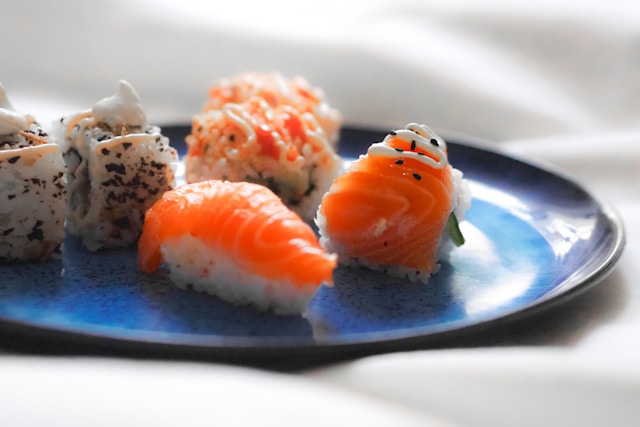
Sushi and sashimi represent Japanese cuisine’s precision and ingredient quality. Fresh fish combined with perfectly seasoned rice creates simple yet sophisticated dishes that highlight natural flavors. Regional variations like Edo-mae sushi from Tokyo or the elaborate presentations found in Kyoto demonstrate local adaptations.
Ramen showcases Japanese innovation with Chinese-inspired noodles. Regional styles like tonkotsu (pork bone broth) from Kyushu, shoyu (soy sauce base) from Tokyo, and miso ramen from Hokkaido offer distinct flavor profiles while maintaining the dish’s comforting essence.
Tempura demonstrates Japanese excellence in frying techniques. Light, crispy batter allows vegetables and seafood to shine while adding textural contrast. The dish requires precise timing and temperature control, reflecting Japanese attention to technical detail.
Kaiseki represents Japanese cuisine’s highest artistic expression. These multi-course meals follow seasonal themes and showcase various cooking techniques within a single dining experience. Each course builds upon the previous ones, creating a narrative through food.
Iconic Western Dishes
Steak and potatoes exemplify Western cuisine’s protein-centric approach. A well-prepared steak showcases meat quality and cooking skill, while various potato preparations provide satisfying accompaniments. Regional variations include French steak frites, American T-bone steaks, and British bangers and mash.
Pasta dishes demonstrate Western grain-based traditions with Italian influence. From simple spaghetti aglio e olio to complex lasagnas, pasta provides a versatile foundation for countless flavor combinations. Cream sauces, tomato bases, and herb-forward preparations showcase different regional preferences.
Roasted chicken appears across Western cultures in various forms. French poulet rôti, American Thanksgiving turkey, and British Sunday roast all demonstrate roasting techniques while incorporating local seasonings and traditions.
Desserts hold special significance in Western dining culture. Elaborate cakes, pastries, and sweet courses cap meals while showcasing baking skills. Chocolate desserts, fruit tarts, and creamy puddings provide indulgent endings to dining experiences.
Modern Fusion and Evolution
Contemporary dining increasingly blurs lines between Japanese and Western cuisines. Innovative chefs combine techniques and ingredients from both traditions, creating dishes that honor each culture while offering new experiences.
Japanese-Western fusion appears in dishes like ramen burgers, sushi pizza, and miso-glazed salmon. These combinations often maintain Japanese aesthetic principles while incorporating Western portion sizes and familiar flavors.
Health-conscious adaptations bring Japanese principles to Western ingredients. Cauliflower rice bowls, zucchini noodle dishes, and fermented Western vegetables apply Japanese health concepts to familiar Western ingredients.
Technique crossovers see Western chefs adopting Japanese knife skills, steaming methods, and presentation styles. Similarly, Japanese restaurants incorporate Western ingredients like cheese, bread, and chocolate into traditional preparations.
Global accessibility has made both cuisines available worldwide. Sushi restaurants in small American towns and hamburger shops in Tokyo demonstrate how globalization spreads culinary traditions while allowing for local adaptations.
Making the Choice: When to Choose Each Style
Choose Japanese cuisine when you seek lighter, more mindful eating experiences. The emphasis on seasonal ingredients, balanced nutrition, and aesthetic presentation makes Japanese food ideal for health-conscious diners or those interested in culinary artistry.
Japanese restaurants offer excellent options for business meals, as the smaller portions and slower eating pace encourage conversation. The cuisine also suits those with dietary restrictions, as many dishes naturally accommodate gluten-free or dairy-free requirements.
Choose Western cuisine when you want hearty, satisfying meals or familiar comfort foods. The larger portions and rich flavors make Western food appropriate for celebration meals, cold weather dining, or when feeding groups with varied preferences.
Western restaurants often provide more flexibility for customization and substitutions. The wine culture and course structure also make Western dining suitable for romantic occasions or extended social gatherings.
Your Culinary Journey Continues
Both Japanese and Western cuisines offer unique pleasures and benefits. Japanese food provides opportunities for mindful eating, seasonal awareness, and aesthetic appreciation. Western cuisine offers comfort, abundance, and familiar flavors that satisfy both body and soul.
Rather than choosing one over the other, consider incorporating elements from both traditions into your dining experiences. Try eating smaller portions with more variety, experiment with seasonal ingredients, or explore the art of simple preparation that lets natural flavors shine.
Visit authentic restaurants of both styles to understand their differences firsthand. Talk with chefs about their techniques and philosophies. Most importantly, approach both cuisines with curiosity and appreciation for the cultures that created them.
The world of food offers endless discoveries. Whether you find yourself drawn to the subtle elegance of Japanese cuisine or the hearty satisfaction of Western dishes, each meal provides an opportunity to explore new flavors, techniques, and cultural perspectives.


