
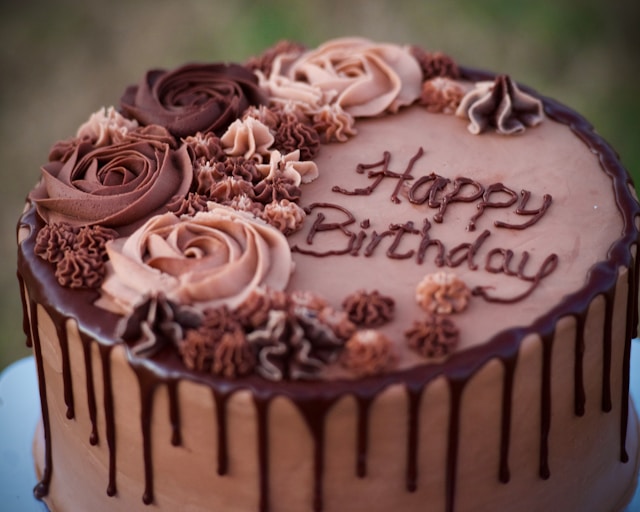
We have all been there. The lights go down, the candles flicker, and everyone sings “Happy Birthday” with genuine enthusiasm. The knife slices through the towering, beautifully decorated cake, revealing perfect layers of frosting and sponge. The guest of honor takes the first bite, smiles politely, and reaches for a glass of water.
The cake is dry. The frosting is gritty. The flavor is overwhelmingly sweet with no nuance.
Despite the hours spent piping rosettes and smoothing fondant, the actual eating experience is a letdown. In the age of Instagram and Pinterest, we often prioritize the visual aesthetic of a birthday cake over its palatability. We want the cake to look stunning in photos, but we forget that cake is, first and foremost, food. It is meant to be eaten, enjoyed, and savored.
If you are tired of baking cakes that look like masterpieces but taste like cardboard, you aren’t alone. Achieving a bakery-quality texture and flavor at home is entirely possible, but it requires shifting your focus from the decoration to the chemistry of the bake. Here is how to ensure your next birthday cake is as delicious as it is beautiful.
The “Style Over Substance” Trap
The rise of baking shows and social media has created a specific standard for what a birthday cake should look like. We see towering tiers, sharp edges, and elaborate fondant sculptures. To achieve these structural feats, bakers often have to compromise on the recipe.
Dense, dry cakes are sturdier. They can hold the weight of heavy fondant and multiple tiers without collapsing. However, a dense, dry cake is rarely a tasty one.
Furthermore, fondant—that smooth, sugar-dough casing used to create flawless finishes—is controversial for a reason. While edible, it often has a gummy texture and a flavor reminiscent of stale marshmallows. When you cover a cake in a thick layer of fondant, you are essentially wrapping it in a barrier that many guests will peel off and discard.
The Solution: Prioritize buttercream, ganache, or cream cheese frosting. These finishes can still look elegant and smooth if applied correctly, but they contribute to the flavor profile rather than detracting from it. If you must use fondant for decoration, use it sparingly for accents rather than covering the entire confection.
The Holy Grail: Moisture
The number one complaint regarding homemade birthday cakes is dryness. A dry cake feels like it sucks the moisture out of your mouth. It crumbles when you fork it and requires a beverage to wash it down.
Moisture is not just about water content; it is about how fat and sugar interact with flour. Here are the secrets to a moist crumb that stays fresh for days.
Butter vs. Oil
There is a longstanding debate in the baking world: butter or oil? Butter provides flavor. It gives cake that rich, creamy mouthfeel that we associate with high-quality baked goods. However, butter is solid at room temperature. This means a butter-based cake will firm up as it cools, sometimes leading to a perceived dryness or density.
Oil, on the other hand, is liquid at room temperature. Cakes made with oil (like carrot cake or chiffon cake) stay incredibly moist and soft, even after days in the fridge. The downside is that oil lacks flavor.
The Compromise: Use a blend. A recipe that calls for both butter and oil gives you the best of both worlds—the rich flavor of butter and the lasting moisture of oil. If your favorite recipe relies solely on butter, try swapping out two tablespoons of butter for a neutral oil like grapeseed or canola.
The Power of Tang
Acid is an unsung hero in baking birthday cakes. Ingredients like sour cream, buttermilk, or plain Greek yogurt do double duty. First, they add moisture and fat, creating a tender crumb. Second, the acidity breaks down the long strands of gluten in the flour.
Gluten is what gives bread its chew, but you don’t want chewy cake; you want tender cake. By inhibiting gluten formation, acidic dairy products ensure your cake melts in your mouth. If a recipe calls for milk, consider swapping half of it for full-fat sour cream or buttermilk.
The Simple Syrup Soak
This is the secret weapon of professional pastry chefs. If you have ever wondered why wedding cakes or bakery slices stay moist despite sitting out for hours, the answer is simple syrup.
Simple syrup is just sugar dissolved in water (usually a 1:1 ratio), boiled until clear, and then cooled. Once your cake layers are baked and cooled, brush a generous amount of syrup over the exposed sponge before frosting. This adds a direct injection of moisture and sweetness, ensuring the cake remains luscious even if it’s slightly overbaked. You can even infuse the syrup with vanilla, citrus peel, or liqueur to boost the flavor.
Flavor Depth: Beyond “Sweet”
A common mistake in home baking is assuming that “sugar” equals “flavor.” Sugar provides sweetness, but it doesn’t provide depth. A cake that tastes only of sugar is boring and cloying. To make a birthday cake that people rave about, you need to build a complex flavor profile.
The Importance of Salt
Salt is the most important ingredient in your dessert pantry. It might seem counterintuitive, but salt makes sweet things taste sweeter and more vibrant. It suppresses bitterness and enhances aromatic compounds.
If you omit the salt, your chocolate cake will taste flat, and your vanilla cake will taste bland. Always use kosher salt or fine sea salt, and don’t be afraid of it. A pinch isn’t enough; you usually need a nearly half-teaspoon per layer to truly wake up the flavors.
Vanilla Quality
In a vanilla cake, there is nowhere for low-quality ingredients to hide. Artificial vanilla extract often has a chemical, alcohol-heavy aftertaste. For a birthday cake, splurge on real vanilla bean paste or high-quality pure vanilla extract. The paste adds those beautiful little black specks that signal to the eater that this is a premium dessert.
Boosting Chocolate
If you are baking a chocolate cake, adding coffee is non-negotiable. You don’t need to make a mocha cake; a cup of hot, strong coffee added to the batter (usually replacing water or milk) will not make the cake taste like a latte. Instead, the coffee enhances the cocoa, making the chocolate taste darker, richer, and more intense. Blooming your cocoa powder in hot liquid releases its full potential, transforming a mild chocolate flavor into a deep, fudge-like experience.
The Frosting Factor
You can bake the perfect sponge, but if you cover it in bad frosting, the cake is ruined. The standard American Buttercream—butter whipped with powdered sugar and a splash of milk—is the go-to for many home bakers because it is easy. However, it is often gritty, forms a crust, and is tooth-achingly sweet.
If you want to elevate your cake, it is time to graduate to Swiss Meringue Buttercream (SMBC).
SMBC is made by heating egg whites and sugar over a double boiler until the sugar dissolves, whipping it into a stable meringue, and then slowly beating in cubes of butter. The result is a frosting that tastes like clouds of sweet, buttery silk. It is much less sweet than American buttercream, allowing the flavor of the butter and vanilla to shine through. It pipes beautifully, holds its shape, and doesn’t get gritty.
If the idea of cooking egg whites intimidates you, try Ermine Frosting (also known as boiled milk frosting). It involves cooking flour, sugar, and milk into a pudding-like paste, cooling it, and whipping it into butter. It sounds strange, but it tastes like whipped cream and is incredibly stable.
Temperature Matters
Baking is chemistry, and chemistry relies on precision. One of the fastest ways to ruin a cake’s texture is by ignoring ingredient temperatures.
When a recipe calls for “room temperature” butter, eggs, and milk, it is not a suggestion. It is a requirement for emulsion. To get a light, fluffy cake, you need to trap air in the batter. You do this by creaming butter and sugar together. This process creates a web of air bubbles surrounded by fat.
If you add cold eggs to room-temperature butter, the butter will seize up and curdle. The emulsion breaks, the air escapes, and you are left with a flat, dense, or greasy cake.
Take your ingredients out of the fridge at least an hour before you start baking. If you are pressed for time, submerge whole eggs in a bowl of warm tap water for 10 minutes, and cut the butter into small cubes to help it soften faster.
Timing the Bake
We have all been guilty of opening the oven door too early to “check” on the cake. Every time you open that door, the temperature drops significantly. If the structure of the cake hasn’t set yet, this sudden temperature change can cause the cake to sink in the middle.
Trust your nose. When you can smell the cake in the kitchen, it is getting close to done.
Furthermore, relying solely on the timer is a mistake. Ovens vary wildly. A recipe might say “bake for 30 minutes,” but your oven might run hot. Learn the signs of a finished cake:
- The edges pull away slightly from the pan.
- The top springs back when gently pressed with a finger.
- A skewer inserted into the center comes out clean or with just a few moist crumbs attached.
Overbaking is the death of flavor. Check your cake five minutes before the recipe says it should be done. Those last few minutes are the difference between a moist crumb and a dry sponge.
Frequently Asked Questions
Can I bake the cake layers ahead of time?
Absolutely, and you should! Freezing cake layers actually helps lock in moisture. Bake your layers, let them cool completely, wrap them tightly in two layers of plastic wrap and one layer of foil, and freeze them. Thaw them in the fridge the night before you decorate. A slightly chilled cake is also much easier to frost and stack than a fresh, crumbly one.
Why did my cake dome in the middle?
Doming usually happens because the oven is too hot. The outside of the cake sets and crusts over before the middle has finished rising, forcing the center to erupt upward. Invest in an oven thermometer to ensure your oven is actually at 325°F or 350°F. You can also use “cake strips”—damp fabric strips wrapped around the outside of the pan—to insulate the edges and promote even baking.
My frosting is full of air bubbles. How do I fix it?
If your buttercream looks like a sponge, you whipped too much air into it at high speed. To fix it, switch to a paddle attachment and run your mixer on the lowest speed for 5 to 10 minutes. This pushes the large air bubbles out against the side of the bowl, leaving you with smooth, creamy frosting.
Can I reduce the sugar in a cake recipe?
Proceed with caution. Sugar does more than sweeten; it provides moisture and tenderness (by interfering with gluten development) and helps with browning. If you cut the sugar significantly, you will likely end up with a pale, tough, bread-like cake. If you want a less sweet dessert, reduce the sugar in the frosting or filling, not the sponge.
Make Flavor the Priority
The next time you are tasked with making a birthday cake, take a deep breath and remember: you are feeding people, not building a monument. While a beautiful design is wonderful, the memory of a delicious, melt-in-your-mouth slice of cake lasts much longer than the memory of a pretty fondant flower.
Focus on high-quality ingredients like real butter and vanilla. Use techniques that guarantee moisture, like adding oil or simple syrup. Don’t be afraid of salt. By respecting the science of baking and prioritizing taste over structural engineering, you will create cakes that vanish from the plates—no hidden napkins required.


