
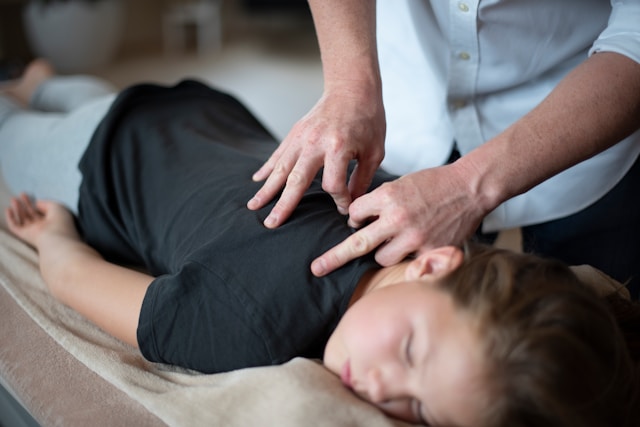
Singapore’s wellness scene has grown significantly over the past decade. From traditional Malay urut massage to high-end TCM (Traditional Chinese Medicine) clinics along Orchard Road, the options for massage treatment in Singapore are vast—and the quality varies just as widely.
But here’s the thing: getting the most out of a massage isn’t just about booking the most expensive therapist or the trendiest spa. It comes down to knowing how to prepare, what to communicate, and what to avoid before, during, and after your session. Get it right, and a massage can leave you feeling completely renewed. Get it wrong, and you might walk away sore, disappointed, or worse—injured.
This guide covers everything you need to know to make your next massage treatment in Singapore a genuinely great experience.
Before Your Session: Setting Yourself Up for Success
Do: Research the type of massage you need
Singapore offers a rich variety of massage treatments, and choosing the right one matters. A deep tissue massage targets chronic muscle tension and is ideal for athletes or office workers with stubborn knots. A Swedish massage focuses on relaxation through long, flowing strokes. Reflexology works on pressure points in the feet, while Tui Na—a form of Chinese therapeutic massage—addresses specific musculoskeletal issues.
Before you book, think about what outcome you’re after. Relaxation? Pain relief? Improved circulation? Matching the modality to your goal makes a meaningful difference.
Do: Choose a licensed and reputable therapist
This is non-negotiable. In Singapore, look for massage therapists registered with the Traditional Chinese Medicine Practitioners Board (for TCM-based massage) or certified practitioners operating under accredited wellness centers. Check Google reviews, ask for recommendations, and look for transparency around qualifications.
Avoid walk-in massage parlors that don’t display credentials or pricing clearly. These can be a red flag for both hygiene and professional standards.
Don’t: Eat a heavy meal right before
Timing your meals matters more than most people realize. A full stomach and vigorous massage pressure don’t mix well—you risk nausea, bloating, and general discomfort. Try to eat a light snack no later than one to two hours before your appointment. If you’re going for a full-body massage, arriving on an empty-ish stomach makes the whole experience more comfortable.
Don’t: Skip the intake form
Many Singapore spas and clinics provide a brief intake or health declaration form before your session. Don’t rush through it. This form helps your therapist identify contraindications—medical conditions that make certain techniques risky. These include recent surgeries, blood clots, skin infections, pregnancy, and osteoporosis, among others.
Being upfront here protects you. A good therapist will adapt their approach based on what you share.
During Your Session: How to Get the Most Out of It
Do: Communicate openly with your therapist
This is perhaps the most underutilized tool in any massage treatment Singapore session. If the pressure is too deep or too light, say so. If a particular area feels tender, let your therapist know. If you’re uncomfortable with any technique, speak up immediately.
Many clients stay silent out of politeness, enduring discomfort rather than asking for an adjustment. A professional therapist will never take it personally—they rely on your feedback to deliver the best possible treatment.
Do: Focus on your breathing
Deep, steady breathing amplifies the effects of massage by encouraging your nervous system to shift into a parasympathetic (rest-and-digest) state. When you hold your breath or breathe shallowly, your muscles instinctively tense up—which works against the therapist’s efforts.
If you find your mind wandering or your muscles tightening, try exhaling slowly and deliberately. It sounds simple, but it genuinely helps.
Don’t: Try to help the therapist move your limbs
This is a surprisingly common habit. When a therapist lifts your arm or leg, resist the urge to help by moving it yourself. That tension in your muscles signals that you’re not fully relaxing, which reduces the effectiveness of the treatment. Let the weight of your limbs go completely.
Don’t: Use your phone
It seems obvious, but it bears repeating. Scrolling through your phone during a massage completely undermines the purpose of the session. The mental stimulation from notifications and screens keeps your nervous system alert—the exact opposite of what you’re paying for. Switch it to silent and leave it alone for the duration.
After Your Session: Maximizing the Benefits
Do: Drink plenty of water
Massage stimulates the lymphatic system and increases circulation, which can release metabolic waste products from the muscles into the bloodstream. Drinking water after your session helps flush these out. Most therapists in Singapore will offer you a glass of warm water post-treatment—take it, and keep hydrating throughout the rest of your day.
Do: Give yourself time to rest
A deep tissue or therapeutic massage can leave your muscles feeling tender for 24 to 48 hours—similar to the sensation after a good workout. This is normal. Try not to schedule a strenuous gym session or a busy social event immediately after. Give your body the chance to recover and integrate the treatment.
Don’t: Take a hot shower immediately after
A scalding hot shower right after a massage can cause dizziness and increase inflammation in already-stimulated tissues. Instead, opt for a lukewarm shower and avoid long soaks in hot tubs or saunas for at least a couple of hours post-treatment.
Don’t: Expect instant results for chronic conditions
If you’re seeking massage for a specific condition—such as chronic neck pain, frozen shoulder, or recurring lower back pain—a single session is unlikely to resolve it. Therapeutic massage generally works best as part of a consistent treatment plan, often combined with stretching, physiotherapy, or lifestyle adjustments.
Discuss a realistic treatment schedule with your therapist. A reputable practitioner will be honest about timelines and will not oversell you on sessions you don’t need.
Special Considerations for Massage in Singapore
Heat and humidity
Singapore’s tropical climate means your body is already working hard to regulate temperature. After an outdoor commute, arriving at your appointment sweaty and flushed is common. Give yourself a few minutes to cool down before your session begins—it helps you settle in and improves the overall experience.
Public holidays and peak booking periods
Massage clinics and wellness centers across Singapore tend to fill up fast during public holidays and long weekends. If you’re planning a session around Chinese New Year, Deepavali, or National Day, book well in advance. Many popular spots operate waitlists during peak periods.
Know the difference between therapeutic and recreational massage
Therapeutic massage in Singapore is typically performed by trained practitioners at TCM clinics, physiotherapy centers, or accredited wellness studios. Recreational massage—such as the foot reflexology shops common in Chinatown and Bugis—can be relaxing and enjoyable, but they serve a different purpose. Don’t expect a foot massage from a walk-in reflexology center to address a diagnosed medical issue.
When to Avoid Massage Altogether
There are situations where massage treatment is not appropriate, regardless of how appealing it sounds. Avoid booking a massage if you have:
- A fever or active infection
- Open wounds, burns, or skin conditions like eczema or psoriasis in the area to be treated
- Blood clots or a history of deep vein thrombosis (DVT)
- Recently undergone surgery (always consult your doctor first)
- Active cancer (seek medical advice before booking any massage)
- Severe osteoporosis
When in doubt, consult a GP or specialist before proceeding. A trustworthy massage therapist will also conduct a brief consultation before your first session and should ask about any of these conditions.
Frequently Asked Questions
How often should I get a massage in Singapore?
For general relaxation and stress management, once or twice a month is a reasonable frequency. For specific therapeutic goals—such as managing chronic pain or recovering from an injury—your therapist may recommend weekly sessions initially, tapering off as symptoms improve.
Is it normal to feel sore after a massage?
Yes, mild soreness after a deep tissue or sports massage is completely normal and typically subsides within 24 to 48 hours. If you experience sharp or prolonged pain, contact your therapist.
What should I wear to a massage session?
Most full-body massage sessions in Singapore provide disposable undergarments or allow you to undress to your comfort level under a drape. For back, neck, and shoulder massages, loose, comfortable clothing is usually sufficient. Your therapist will give specific instructions when you arrive.
Can I get a massage during pregnancy?
Prenatal massage can be safe and highly beneficial, but it requires a specially trained therapist and certain modifications in technique and positioning. Always inform the spa or clinic about your pregnancy when booking, and get clearance from your obstetrician beforehand.
Are TCM massage and Swedish massage interchangeable?
No. They operate on different principles. TCM massage (such as Tui Na) is based on meridian theory and is used to treat specific health complaints. Swedish massage is a Western technique focused on muscle relaxation and circulation. Both have their merits, but the right choice depends on your goals.
Make Every Session Count
A massage treatment in Singapore can be a genuinely therapeutic experience—or a forgettable one. The difference often comes down to the choices you make before, during, and after you step onto that treatment table.
Choose your therapist carefully, communicate honestly, hydrate well, and give your body time to recover. Whether you’re booking your first session or your fiftieth, these principles hold. Approach each appointment with some intentionality, and the benefits—reduced tension, better sleep, improved mood, and genuine physical relief—will follow.


