
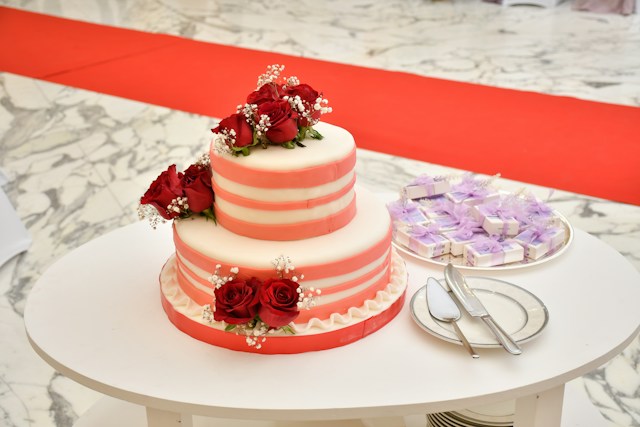
Quick answer: For 30 guests, choose a two-tier round cake (8-inch and 6-inch) or a single 12×18-inch sheet cake, which typically yields 30-40 standard slices. Pick a flavor that appeals broadly—like vanilla, chocolate, or red velvet—or offer two flavors split between tiers to satisfy different preferences without overcomplicating the order.
Planning a celebration for 30 people brings a unique set of questions, and few are as stressful as nailing down the cake. Too small, and you’ll run out before everyone gets a slice. Too large, and you’re left with leftovers nobody wants to finish. Add in flavor preferences, dietary restrictions, and the visual centerpiece you’re hoping to create, and suddenly a “simple” cake order feels like a full-blown project.
The good news is that choosing a flavor and size for a 30-guest cake doesn’t require guesswork. With a few guidelines around portion sizes, tier structures, and flavor pairing strategies, you can walk into your bakery consultation with confidence and walk out with a cake that fits your party perfectly.
This guide breaks down exactly how to calculate the right size, select a flavor that pleases a crowd, and avoid the most common mistakes people make when ordering a custom cake for a mid-sized gathering.
How many cake slices do you need for 30 guests?
The starting point for any customised cakes order is portion count, and portion count depends on slice size. Bakeries typically plan for two standard slice sizes: party-sized slices (roughly 1×2 inches) and wedding-sized slices (roughly 1×1 inches, used for formal tiered cakes with multiple dessert options).
For a birthday, anniversary, or casual celebration where cake is the main dessert, plan for party-sized slices. That means you’ll want a cake that yields closer to 30-35 slices to account for guests who might take seconds or slightly larger-than-average cuts.
If the cake is part of a dessert table with other treats (cookies, cupcakes, a candy bar), you can plan for smaller wedding-sized portions, which means a slightly smaller cake can still comfortably serve the group.
A good rule of thumb: always round up. Ordering a cake sized for 35 rather than exactly 30 gives you a buffer for last-minute guests, second helpings, or that one relative who always asks for “just a sliver” and then eats half the slice next to it.
What cake size feeds 30 people?
Once you know your target slice count, you can match it to an actual cake size. Here’s how common cake dimensions translate to servings, based on standard party-slice portions:
- 6-inch round cake: 10-12 servings
- 8-inch round cake: 20-24 servings
- 10-inch round cake: 30-38 servings
- 12×18-inch sheet cake: 35-48 servings
- Two-tier cake (8-inch + 6-inch): 30-36 servings
For a group of 30, you have a few solid options. A single 10-inch round cake can do the job if you want a simpler, single-tier presentation. A 12×18-inch sheet cake is the most budget-friendly choice and works well for casual gatherings, backyard parties, or office celebrations where presentation matters less than ease of serving.
If you want something more visually striking for a milestone birthday, bridal shower, or anniversary party, a two-tier cake combining an 8-inch and 6-inch layer gives you that “wow” factor on the dessert table while still comfortably covering your guest count.
Should you order a bigger cake than you think you need?
Yes, in most cases. Custom cakes are cut into uniform slices, but real-world serving rarely stays uniform. Kids often take smaller pieces, while adults may ask for a bit more. Some guests skip dessert entirely, while others come back for seconds. Ordering a cake sized for 35 guests instead of exactly 30 protects you from running short, and it’s a far smaller cost increase than you might expect, since bakeries typically price by tier size rather than by exact slice count.
How do you pick a cake flavor that pleases 30 different people?
Flavor is where most of the stress creeps in, because you’re trying to please a group with different tastes, and sometimes different dietary needs, using one dessert. The trick is choosing flavors that are broadly appealing rather than polarizing.
Which cake flavors work best for large groups?
Classic, crowd-pleasing flavors consistently perform well at group events because they avoid strong flavor profiles that divide opinion. Vanilla bean, chocolate fudge, red velvet, and lemon are reliable choices because they appeal to a wide range of palates and pair easily with multiple frosting options.
If you want to add a bit of personality without alienating guests, consider flavors like funfetti (vanilla cake with sprinkles, popular for birthdays), carrot cake with cream cheese frosting (a favorite at adult gatherings), or a chocolate-raspberry combination (elegant enough for showers and anniversaries).
Save more adventurous flavors—think matcha, lavender, or spiced chai—for smaller, more intimate gatherings where you know the guest list well. With 30 people, you’re almost guaranteed a mix of tastes, so it’s safer to lean toward flavors with mass appeal.
Should you choose one flavor or multiple flavors for a 30-guest cake?
Choose one flavor if you want simplicity and a consistent guest experience. A single well-executed flavor, like a moist vanilla cake with Swiss meringue buttercream, keeps the order straightforward and the presentation clean.
Choose two flavors if you’re using a tiered cake structure or if you know your guest list includes strongly differing preferences, such as a mix of chocolate lovers and fruit-flavor fans. A two-tier cake naturally lends itself to this: one tier chocolate, one tier vanilla or a fruit-based flavor, so guests can select their preference when the cake is cut.
Avoid going beyond two flavors for a 30-guest order. More flavors complicate the cutting and serving process, increase the cost, and can make the cake harder for the baker to design cohesively.
What should you do about dietary restrictions?
With a group of 30, it’s statistically likely that at least a few guests have dietary restrictions, whether that’s gluten intolerance, a nut allergy, or a preference for less sugar. Rather than redesigning the entire cake around these needs, many hosts choose to order a small supplementary dessert, such as a dozen gluten-free cupcakes, alongside the main cake. This way, the primary cake can focus on flavor and presentation, while guests with dietary needs still have something to enjoy.
If you do want the full cake to accommodate a restriction, communicate this clearly with your baker early in the process. Substitutions like almond flour or dairy-free frosting can affect both texture and cost, so it’s best to discuss this during your initial consultation rather than as a last-minute request.
How do flavor and size decisions affect your cake budget?
Larger cakes and multiple flavors both increase cost, but not always in the way people expect. Most bakeries price by serving size and tier complexity rather than flavor choice, meaning a classic vanilla cake and a more elaborate flavor combination (like salted caramel with chocolate ganache) often cost similarly for the same size.
Where costs rise more noticeably is in decoration complexity, fondant work, and multiple flavors within a single tiered design. If you’re working with a set budget, prioritize spending on size (to make sure every guest gets a slice) before investing heavily in elaborate flavor combinations or intricate decoration.
Choose a simpler single-flavor cake with clean, classic decoration if budget is a primary concern. Choose a two-flavor tiered design with more detailed decoration if the cake is meant to serve as a visual centerpiece for the event, such as a milestone birthday or engagement party.
What questions should you ask your baker before placing the order?
Before finalizing your order, a short conversation with your baker can save you from surprises on event day. Ask about their recommended size for your specific guest count, since portion sizes can vary slightly between bakeries. Confirm how they slice the cake (party-size versus wedding-size), and clarify whether the quoted price includes delivery, cake stands, or any decorative elements you’re expecting.
It’s also worth asking how far in advance you need to place the order. Custom cakes, especially tiered designs, often require one to two weeks of lead time, and popular bakeries may book out even further during peak seasons like spring (wedding season) and the December holidays.
Bringing it all together
Choosing the right flavor and size for a 30-guest cake comes down to two decisions: picking a size that comfortably covers your guest count (with a small buffer), and selecting a flavor or flavor pairing that appeals broadly rather than narrowly. A 10-inch round cake or a two-tier 8-inch and 6-inch combination both work well for this guest count, and classic flavors like vanilla, chocolate, and red velvet remain reliable choices for mixed groups.
Before you place your order, round up your guest count slightly, decide whether you want a single flavor or a two-flavor tiered design, and have a quick conversation with your baker about dietary accommodations and lead times. With these details settled, you’ll have a cake that looks great, tastes great, and leaves every guest with a slice.
Frequently asked questions
How much does a custom cake for 30 guests typically cost?
Pricing varies widely by region, bakery, and design complexity, but a simple single-tier cake for 30 guests generally costs less than an elaborate two-tier design with fondant work or hand-piped decoration. It’s best to request a quote directly from your baker based on your chosen size and design.
How far in advance should I order a cake for 30 people?
Most bakeries recommend placing custom cake orders one to two weeks in advance. During busy seasons, such as spring weddings or December holidays, consider booking three to four weeks ahead to secure your preferred date.
Can I mix cake flavors within a single tier?
Some bakeries offer “marble” or layered cakes that combine two flavors within one tier, such as a chocolate-and-vanilla swirl. This is a good alternative if you want flavor variety without the structural complexity of a multi-tier cake.
What’s the difference between a sheet cake and a tiered cake for a 30-guest event?
A sheet cake is a single flat layer cut into even rectangles, making it a cost-effective and simple option for casual gatherings. A tiered cake stacks two or more cake layers of different sizes, creating a more formal, decorative centerpiece best suited for milestone celebrations.
Is it better to order a slightly larger cake than needed?
Yes. Ordering a cake sized for a few more guests than your actual headcount accounts for second helpings and uneven slicing, and the added cost is typically minimal compared to running out of cake mid-celebration.


