
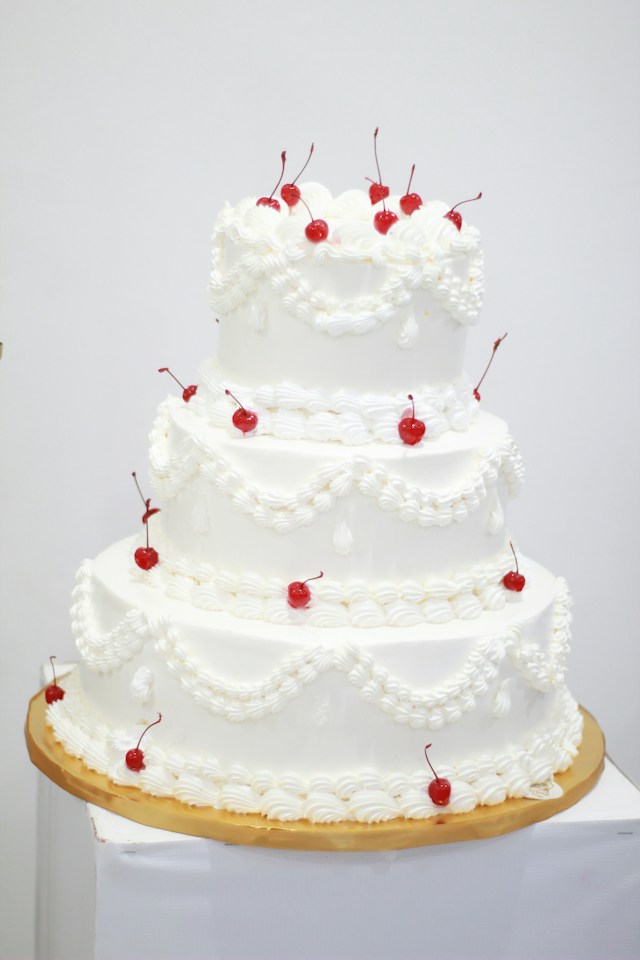
Quick answer: Most couples should order their wedding cake 4 to 6 months before the wedding, with final details locked in 2 to 3 weeks before the event. This timeline gives the baker enough lead time to accommodate flavor tastings, design revisions, and seasonal ingredient sourcing, while leaving room to confirm guest count and venue logistics closer to the big day.
Wedding planning involves dozens of moving parts, and the cake often gets pushed to the bottom of the list. Couples tend to focus on the venue, the dress, and the guest list first, then realize with a jolt that the bakery they wanted is already booked solid for their date. Popular cake designers, much like photographers and florists, often take a limited number of orders per weekend. Waiting too long doesn’t just limit your options. It can mean losing access to your first-choice baker entirely.
This guide walks through exactly when to start the cake conversation, what details need to be finalized and when, and how to avoid the common timing mistakes that leave couples scrambling in the final weeks before their wedding.
Why Wedding Cake Timing Matters More Than You Think
Wedding cakes aren’t a last-minute purchase like a bouquet of flowers from the grocery store. It’s a custom-built dessert that requires design consultations, flavor testing, structural planning for tiers, and often coordination with your venue’s delivery and setup logistics. Skilled bakers typically limit how many wedding orders they accept per week to maintain quality, which means availability shrinks fast during peak wedding season (typically May through October in most regions).
Ordering early also protects you from price increases. Many bakeries raise their rates annually, and locking in a quote early can save you from paying a higher rate if your wedding falls later in the year after a price adjustment.
When Should Couples Start Looking for a Wedding Cake Baker?
Start researching and booking a baker 9 to 12 months before your wedding date. This doesn’t mean you need to finalize every design detail that far out, but you do need to secure your date on the baker’s calendar.
Here’s why this timeline makes sense:
- Popular bakers book up fast. In-demand cake designers, especially those with strong portfolios on Instagram or Pinterest, can be fully booked a year in advance for peak season dates.
- Tastings require scheduling. Most bakeries offer tastings by appointment only, and some charge a fee that’s later credited toward your final order. Booking early secures a tasting slot before the baker’s calendar fills with other couples.
- Custom designs take time to develop. If you want an elaborate design with sugar flowers, hand-painted details, or a specific architectural structure, the baker needs lead time to sketch, test, and refine the concept.
If your wedding is less than four months away, don’t panic. Many bakers keep flexibility for simpler designs or last-minute openings, but your choices will be more limited.
What Details Need to Be Finalized When Ordering a Wedding Cake?
Booking the baker is step one. The following details typically get finalized in stages as your wedding date approaches.
1. Flavor and Filling Selections (6 to 9 months out)
Schedule your tasting once you’ve confirmed your baker. Most couples choose one to three flavors for a tiered cake, often one classic option (like vanilla bean or chocolate) alongside something more adventurous. Decide on fillings too, such as fruit curds, buttercream, ganache, or mousse. If you’re serving a mixed-dietary crowd, ask about gluten-free, dairy-free, or vegan options at this stage, since these often require separate recipes and advance notice.
2. Design, Size, and Tier Count (4 to 6 months out)
This is where your cake starts to take visual shape. Bring inspiration photos, but stay open to your baker’s input. Experienced bakers know what designs hold up structurally and what might wilt, melt, or collapse depending on your venue’s temperature and your wedding season.
At this stage, you’ll also confirm:
- Guest count estimate. This determines the cake size and tier count needed to serve everyone, often with a buffer for seconds.
- Color palette. Coordinate with your florist and overall wedding palette so the cake complements, rather than clashes with, the room.
- Cake stand and display details. Some venues provide stands; others require you to rent or source one. Confirm this with your venue coordinator.
3. Final Headcount and Cake Size Adjustments (4 to 6 weeks out)
RSVPs should be finalized by this point, giving you an accurate guest count. Contact your baker to confirm or adjust the cake size based on final numbers. Most bakeries build in a small buffer, but drastic changes (adding or removing 20+ guests) may require a size or pricing adjustment.
4. Delivery, Setup Time, and Final Payment (2 to 3 weeks out)
In the final stretch, confirm:
- Delivery address and time window, coordinated with your venue’s load-in schedule.
- Setup requirements, including whether the baker needs refrigeration access or a specific display table ready upon arrival.
- Final payment, which most bakeries require 1 to 2 weeks before the event.
- Top tier preservation, if you’re planning to save the top tier for your first anniversary. Confirm how it should be wrapped and stored.
Should You Order a Wedding Cake Based on Season or Venue Type?
Yes. Season and venue conditions directly affect cake design decisions, and raising this early with your baker prevents problems on the wedding day.
Choose a cake with sturdy buttercream or fondant finishes if your wedding is outdoors in summer heat, since delicate frostings like whipped cream or soft meringue can melt or slide in high temperatures. Choose richer, denser cake flavors like chocolate or spice cake if your wedding falls in cooler months, since these flavors tend to feel more seasonally appropriate and hold up well in cooler venues. Choose a design with minimal fresh floral decoration if your venue lacks climate control, since fresh flowers can wilt quickly without refrigeration, whereas sugar flowers or dried botanicals hold their shape regardless of temperature.
Discuss your venue’s layout with your baker too. Outdoor tented weddings, beachfront ceremonies, and historic venues with limited kitchen access all present different transportation and display challenges that affect how early the cake needs to be delivered and how it should be packaged for transit.
Common Mistakes Couples Make When Ordering Their Wedding Cake
Waiting Too Long to Book
The single biggest mistake is assuming a cake order can happen a month or two before the wedding. By the time many couples think about dessert, their preferred bakery’s calendar is already full for that date, especially during peak wedding months.
Skipping the Tasting
Some couples choose flavors based on photos alone or on what they’ve heard other couples order. A tasting isn’t just a fun pre-wedding activity. It ensures the cake actually tastes the way you expect and gives you a chance to adjust sweetness, texture, or filling ratios before the final order is locked in.
Not Accounting for Dietary Restrictions Early
Adding a gluten-free or vegan tier as an afterthought a few weeks before the wedding puts unnecessary pressure on the baker and may not be possible depending on their production schedule. Mention dietary needs as soon as you know your guest list includes them.
Underestimating Delivery Logistics
Couples sometimes assume the baker will “figure out” delivery and setup without providing clear information about the venue. Confirm delivery windows, parking access, elevator availability (for upper-floor venues), and refrigeration needs well before the wedding week.
Changing the Guest Count Too Close to the Date
A sudden jump in guest count two weeks before the wedding can leave a baker unable to accommodate a larger cake on short notice. Keep your baker updated as your RSVP numbers firm up, rather than surprising them with a major change at the last minute.
Your Wedding Cake Timeline at a Glance
- 9–12 months before: Research bakers, check availability, and book your date.
- 6–9 months before: Schedule and attend your tasting; select flavors and fillings.
- 4–6 months before: Finalize design, size, tier count, and color palette.
- 4–6 weeks before: Confirm final guest count and adjust cake size if needed.
- 2–3 weeks before: Finalize delivery time, setup details, and payment.
Start the Cake Conversation Early, and Everything Else Falls Into Place
A wedding cake deserves the same forward planning as your venue and photographer. Booking your baker 9 to 12 months in advance protects your preferred flavors, design, and delivery window, while a clear timeline for finalizing details keeps the process stress-free as your wedding date approaches.
If you haven’t started researching bakers yet and your wedding is still several months away, make this the week you reach out. The earlier the conversation starts, the more creative freedom, flavor options, and peace of mind you’ll have on the day itself.
Frequently Asked Questions
How far in advance should I order my wedding cake?
Book your baker 9 to 12 months before your wedding to secure your date, especially if you’re marrying during peak season (May through October). Final design and flavor details are typically confirmed 4 to 6 months out.
How much does a wedding cake typically cost?
Wedding cake pricing varies widely based on size, design complexity, and your baker’s location, often ranging from a per-slice rate to a flat design fee. Ask your baker for a detailed quote during your initial consultation so you can budget accurately.
What if my wedding is less than two months away and I haven’t ordered a cake yet?
Contact bakeries immediately to check for last-minute openings. You may have fewer design options, but many bakers keep some flexibility for simpler cakes or cancellations.
Can I change my cake flavor or design after placing the order?
Minor adjustments are usually possible up until 4 to 6 weeks before the wedding. Major changes, like switching flavors entirely or adding tiers, become harder to accommodate closer to the event, so confirm your baker’s policy on changes when you place your order.
Do I need to tell my baker about dietary restrictions?
Yes, and the earlier the better. Gluten-free, vegan, and allergen-specific cakes often require separate recipes, equipment, or production schedules, so mention these needs as soon as you know your guest list requires them.


