
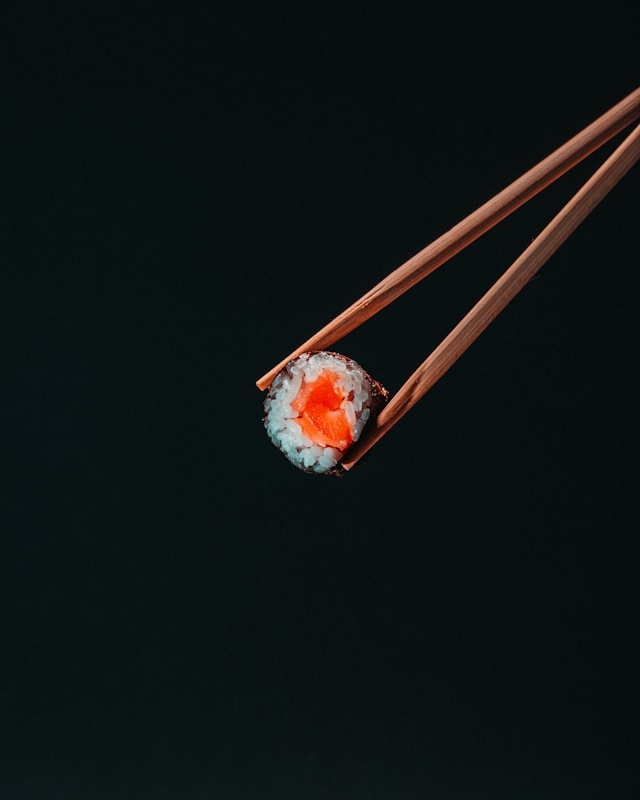
Singaporeans have a deep, abiding love affair with Japanese cuisine. From the snaking queues at Don Don Donki to the months-long waiting lists for high-end Omakase counters on Amoy Street, the island’s appetite for sushi is insatiable. We crave that perfect bite of vinegared rice topped with fresh, buttery seafood.
But eating out at top-tier Japanese restaurants in Singapore can quickly drain your wallet. While the hawker center serves our daily needs, sometimes you want that premium experience without the premium price tag.
The solution? Bringing the sushi bar into your HDB or condo kitchen.
Making restaurant-quality sushi at home might seem intimidating. We often view it as a craft reserved for shokunin (artisans) who have spent decades perfecting their knife skills. While mastery takes a lifetime, making delicious, impressive sushi at home is entirely achievable with the right guidance.
This guide will walk you through sourcing the freshest ingredients on the island, mastering the rice, and assembling plates that rival your favorite Orchard Road eateries like En Sushi.
The Foundation: It All Starts with the Rice (Shari)
Many home cooks make the mistake of thinking the fish is the star of the show. Ask any sushi chef, and they will tell you: it’s the rice. In fact, “sushi” refers to the vinegared rice, not the raw fish. If your rice is mushy, flavorless, or too hard, no amount of expensive Otoro (fatty tuna) can save it.
Choosing the Right Grain
You cannot use jasmine rice or basmati. You need short-grain Japanese rice (Japonica). These grains contain a higher starch content (amylopectin), which gives the rice its signature stickiness and chewiness. This texture is essential for the rice to hold its shape when pressed or rolled.
In Singapore, you have excellent access to premium rice. Look for brands like Koshihikari or Akitakomachi. You can find these at Meidi-Ya, Isetan Scotts, or the ever-reliable Don Don Donki. If you want to elevate your game, look for rice from Niigata prefecture, often cited as the premier rice-growing region in Japan.
The Washing Ritual
The difference between average and excellent sushi rice often lies in the washing. You aren’t just rinsing off dust; you are removing excess surface starch.
- Place rice in a bowl and cover with cold water.
- Gently swirl your hand in a claw shape. Do not crush the grains.
- Drain the cloudy water immediately.
- Repeat this process 3 to 5 times until the water runs relatively clear.
- Crucial Step: Let the rice drain in a colander for 30 minutes before cooking. This allows the grains to absorb residual moisture and ensures even cooking.
The Seasoning (Sushi-Zu)
Once your rice is cooked (use a rice cooker on the “Sushi” setting if you have one, or slightly less water than usual if you don’t), you must season it while it is piping hot.
You can buy pre-made sushi vinegar, but making your own is better.
- The Ratio: Mix rice vinegar, sugar, and salt. A standard ratio is 5 parts vinegar, 2 parts sugar, 1 part salt. Heat gently until dissolved.
- The Hangiri Technique: Traditionally, rice is turned out into a wooden tub (hangiri). If you don’t have one, use a wide, non-metallic bowl. Pour the vinegar over the paddle (shamoji) to distribute it evenly.
- Slice, Don’t Mash: Use a cutting motion with your paddle to mix the vinegar in. At the same time, fan the rice to cool it down quickly. This gives the grains a glossy sheen (tsuya).
Sourcing Sashimi-Grade Fish in Singapore
This is the part that worries most home cooks: is it safe to eat?
The term “sashimi-grade” is not a regulated government standard, but a marketing term indicating fish has been handled specifically for raw consumption (usually flash-frozen to kill parasites). Do not buy standard fish fillets from the wet market or general supermarket aisle for raw consumption.
Where to Shop
Living in Singapore gives us a logistical advantage. We are a major hub for Japanese exports.
- Specialized Grocers: Zairyo and Fisk are fantastic online grocers in Singapore that fly in fresh seafood from Toyosu Market. You can buy blocks (saku) of salmon, tuna, and hamachi specifically for home sushi.
- Japanese Supermarkets: Meidi-Ya (Millenia Walk) and Isetan (Scotts) have dedicated sashimi counters where butchers trim fish daily.
- Don Don Donki: A more accessible option for many. Look for the trays marked for sashimi.
The Singaporean Salmon Obsession
Let’s be honest: in Singapore, Salmon is king. When buying salmon, look for “Trout Salmon” or Atlantic Salmon with good fat distribution. If you enjoy the crunch, pick up some Mekajiki (Swordfish). For a treat, look for Hotate (scallops) from Hokkaido—they are sweet, creamy, and require zero slicing skills.
The Art of the Slice
You don’t need a $500 Yanagiba knife, but you do need a sharp knife. A dull knife will tear the flesh, ruining the texture and releasing essential oils onto the cutting board instead of your tongue.
Slicing Techniques
- Hira-Zukuri (Rectangular Slice): This is the standard cut for Nigiri and Sashimi. Place the knife heel on the fish and pull back in one single, smooth motion. Do not saw back and forth. The slice should be about 3mm to 5mm thick.
- Sogi-Zukuri (Paper Thin): Used for white fish like Tai (Sea Bream). Slice at an angle to create a wider surface area.
- Kaku-Zukuri (Cubes): Perfect for Chirashi bowls or spicy salmon gunkan.
Pro-Tip: Keep your fish cold. If you are preparing a large feast, take out only what you are immediately slicing. Singapore’s ambient heat will degrade the quality of raw fish rapidly.
Popular Styles to Make at Home
Now that you have your Shari and your Neta (toppings), it is time to build.
1. Temaki (Hand Rolls) – The Party Favorite
If you are hosting a gathering, this is the smartest move. It requires the least amount of work for the host.
- Setup: Lay out platters of nori (seaweed) cut into half-sheets, bowls of sushi rice, and platters of sliced fish, cucumber, avocado, and tamago (egg).
- The Process: Let your guests DIY. They take a sheet of nori, place rice, add toppings, and roll it into a cone.
- Singapore Twist: Offer a side of chili crab sauce or sambal mayo for dipping. It sounds sacrilegious to purists, but it is delicious.
2. Nigiri – The Classic
This requires practice. The goal is to form a small pillow of rice that holds together but falls apart in the mouth.
- The Squeeze: Wet your hands with “Tezu” (water mixed with a splash of vinegar) to stop sticking. Take about 15g to 20g of rice. Gently shape it into an oval. Dab a speck of wasabi on the fish, place it on the rice, and gently press the sides and top to adhere.
- Don’t Over-compress: You want air pockets between the rice grains.
3. Aburi Mentai – The Crowd Pleaser
Walk into Genki Sushi or Sushi Tei in Singapore, and you will see tables covered in Aburi (torched) sushi. We love the smoky flavor and creamy sauce.
- The Sauce: Mix Japanese mayonnaise (Kewpie is non-negotiable) with Mentaiko (spicy cod roe). You can buy frozen Mentaiko sacks at Donki. Scrape the roe out and mix 1 part roe to 3 parts mayo. Add a splash of soy sauce or lemon juice.
- The Torch: You need a kitchen blowtorch. Top your salmon nigiri with a dollop of the mentai mayo. Blast it with the torch until the sauce bubbles and browns and the fish fat starts to render. The smell is intoxicating.
Essential Tools for the Singaporean Kitchen
You don’t need a commercial kitchen, but a few specific tools will save you frustration.
- Makisu (Bamboo Mat): Essential for making maki rolls. Buy one with a flat side (usually green skin) and a rounded side. Wrap it in cling wrap before use to prevent rice from sticking and to make cleanup easier.
- Sharp Knife: As mentioned, sharpness is key. A standard 8-inch chef’s knife works if it is honed.
- Rice Paddle: Usually comes with your rice cooker.
- Tweezers: Useful for removing pin bones from salmon fillets if you bought a whole side.
Troubleshooting Common Mishaps
Even with the best intentions, things can go wrong.
“My rice is too hard!”
You likely didn’t soak the rice after washing, or you opened the rice cooker too early. Let the rice steam in the pot for 10-15 minutes after the cooking cycle ends.
“My rolls are falling apart!”
You might be overstuffing them. Less is more. Also, ensure you leave a 1-inch strip of nori free of rice at the top end. Wet this strip slightly with water to act as glue when you finish rolling.
“The seaweed is chewy.”
Nori absorbs moisture from the air instantly—a real problem in humid Singapore. Keep your nori in an airtight container with desiccants until the very last second. Serve rolls immediately.
“The fish smells fishy.”
This usually means it isn’t fresh, or it has been sitting out too long. If you are unsure about the smell, do not eat it raw. Cook it. It’s better to have a delicious grilled salmon teriyaki bowl than food poisoning.
Elevating the Experience: Side Dishes and Presentation
A great sushi meal is about the entire composition. To truly recreate the “Best Sushi in Singapore” vibe, you need the supporting cast.
- Miso Soup: Don’t settle for the instant packets. Buy a tub of white miso paste and dashi powder. Add tofu cubes and wakame. It takes 5 minutes and tastes infinitely better.
- Chawanmushi: If you have a steamer, this savory egg custard is a sophisticated addition.
- Green Tea: Brew a pot of Genmaicha (green tea with roasted brown rice). The nutty flavor cleanses the palate between rich bites of salmon or tuna.
- Plating: Use ceramic rectangular plates. Dark colors often make the vibrant orange of salmon and red of tuna pop. Garnish with shiso leaves (Japanese basil) or thin slices of lemon.
Bringing It All Together
Cooking is an act of care, and sushi is perhaps the ultimate expression of this. It requires patience, precision, and a respect for ingredients.
By sourcing the right produce from Singapore’s wealth of Japanese grocers and taking the time to prepare your shari correctly, you can create a dining experience that feels luxurious and intimate. Whether it’s a Tuesday night dinner for two or a weekend party with a DIY Temaki bar, the best sushi spot in town might just be your own dining table.
So, head to the supermarket, grab that bag of Koshihikari, and start washing. Your culinary journey to Japan begins at your kitchen sink.


