
Singapore, a city celebrated for its vibrant food scene, is experiencing a delicious transformation. Alongside the world-famous hawker centers and fine-dining establishments, a new wave of eateries is capturing the hearts and palates of the city’s youth: the vegan cafe. This isn’t just a fleeting trend; it’s a movement driven by a generation that is rethinking its relationship with food, health, and the environment.
The rise of dedicated vegan cafes across the island—from the bustling streets of the CBD to the quiet corners of residential neighborhoods—is hard to ignore. These spaces are more than just places to eat; they are community hubs, aesthetic havens, and platforms for a broader conversation about conscious living. For younger Singaporeans, particularly Millennials and Gen Z, these cafes represent a perfect blend of personal values and culinary pleasure.
This article explores the driving forces behind the vegan cafe craze in Singapore. We’ll examine why younger generations are increasingly choosing plant-based options, how these cafes are catering to their specific tastes and preferences, and what this shift signifies for the future of food in the Lion City. Understanding this phenomenon reveals a deeper story about evolving consumer habits, ethical considerations, and the search for authentic, meaningful experiences.
What is a Vegan Cafe?
Before we explore the “why,” it’s important to clarify what sets a vegan cafe apart. Unlike a traditional cafe that might offer a few vegetarian or plant-based options, a vegan cafe is entirely free of animal products. This means no meat, poultry, fish, dairy, eggs, or honey can be found on the menu. Everything, from the coffee’s milk alternative to the “butter” on the toast, is derived from plants.
However, the definition has expanded beyond just the menu. Modern vegan cafes in Singapore are also defined by their atmosphere and ethos. They are often stylishly designed spaces that emphasize natural light, minimalist decor, and plenty of greenery, creating an environment that feels both calming and Instagram-worthy. They are committed to sustainability, often using locally sourced ingredients, minimizing food waste, and opting for eco-friendly packaging. This holistic approach—combining ethical food with a conscious lifestyle—is central to their appeal.
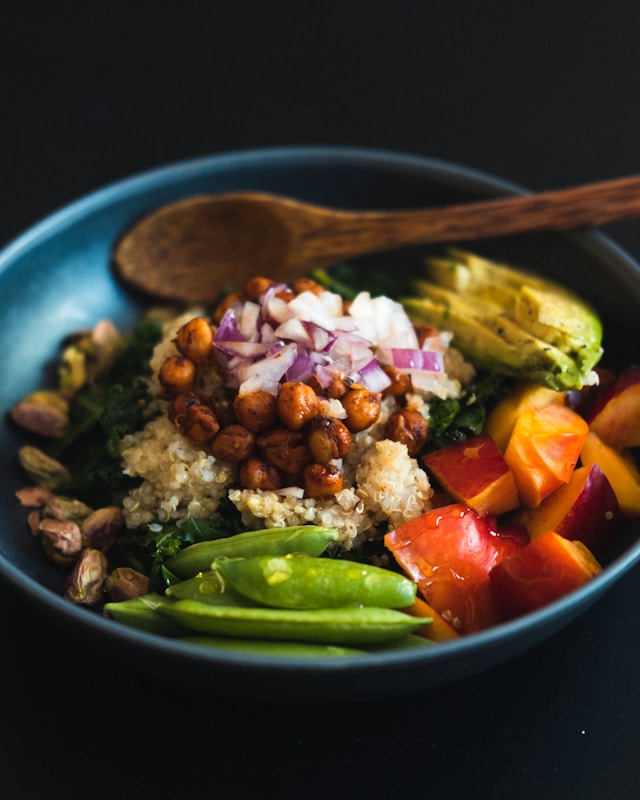
These establishments serve a diverse range of innovative dishes that challenge the old stereotype of vegan food being bland or restrictive. You’ll find everything from hearty Impossible™ burgers and creamy oat milk lattes to colorful grain bowls and decadent, dairy-free desserts. By reinventing classic cafe fare with a plant-based twist, they make veganism accessible, exciting, and appealing to a mainstream audience.
The Factors Fueling the Vegan Movement in Singapore
The growing popularity of veganism, especially among younger Singaporeans, is not happening in a vacuum. It is the result of several converging global and local trends that have reshaped attitudes toward food and lifestyle choices.
Growing Health Consciousness
One of the most significant drivers is a heightened awareness of health and wellness. Younger generations are more proactive about their physical and mental well-being than any before them. They are digitally savvy, with instant access to information about nutrition, diet-related diseases, and the benefits of a plant-rich diet.
Documentaries like “The Game Changers” and “What the Health” have gone viral, highlighting the potential performance and health benefits of cutting out animal products. These messages resonate strongly with a generation that values personal optimization and long-term health. Many are turning to plant-based diets to manage weight, improve skin clarity, increase energy levels, and reduce their risk of chronic illnesses. Vegan cafes provide an easy and delicious way to adhere to these health goals without feeling deprived.
Environmental and Ethical Concerns
For Gen Z and Millennials, the climate crisis is not an abstract concept; it’s a present and urgent reality. They have grown up with headlines about deforestation, carbon emissions, and species extinction, and many feel a personal responsibility to take action. The environmental impact of industrial animal agriculture is a major concern.
Studies have consistently shown that plant-based diets have a significantly lower carbon footprint than diets rich in animal products. Producing meat and dairy requires vast amounts of land, water, and feed, while generating substantial greenhouse gas emissions. By choosing a vegan meal, many young people feel they are making a tangible, positive contribution to the planet.
Ethical considerations regarding animal welfare are also a powerful motivator. Increased access to information through social media and documentaries has exposed the often-harsh realities of factory farming. This has led to a growing discomfort with the commodification of animals. For many, choosing veganism is a moral stance—a refusal to participate in a system they view as cruel and unjust. Vegan cafes are seen as safe, ethical spaces that align with these values.
The Influence of Social Media
Social media platforms, particularly Instagram and TikTok, have played a pivotal role in popularizing the vegan lifestyle. The visual nature of these platforms is perfectly suited to showcasing the beauty and creativity of plant-based cuisine. Influencers and food bloggers fill their feeds with vibrant photos of smoothie bowls, avocado toast, and rainbow-colored salads, making vegan food look aspirational and desirable.
The hashtag #VeganSingapore is filled with aesthetically pleasing content, guiding users to the city’s best plant-based spots. A visually appealing dish or a beautifully designed cafe interior can quickly go viral, driving foot traffic and generating buzz. This “Instagrammability” factor is crucial. For many young diners, the experience of eating out at places like Ecoharmony is not just about the food; it’s also about capturing and sharing that experience online. Vegan cafes have mastered the art of creating photogenic food and spaces, turning their customers into brand ambassadors.
Global Culinary Exposure and Innovation
Singapore has always been a melting pot of cultures and cuisines, and its residents are known for their adventurous palates. This openness to new flavors has paved the way for the acceptance and celebration of plant-based food. As global culinary trends make their way to Singapore, so too does the innovation happening in the vegan space.
The development of high-quality meat alternatives from brands like Impossible Foods and Beyond Meat has been a game-changer. These products mimic the taste and texture of real meat so well that they appeal even to staunch carnivores, acting as a “gateway” to plant-based eating. Singaporean vegan cafes have enthusiastically incorporated these innovations into their menus, offering familiar comfort foods like burgers, “meatball” pasta, and loaded fries in a completely plant-based format. This has made the transition to veganism feel less like a sacrifice and more like an exciting culinary adventure.
Spotlight on Singapore’s Vegan Cafes
Singapore is now home to a diverse array of vegan cafes, each offering a unique experience. Here are a few examples that illustrate the different facets of this growing scene:
- Well Dressed Salads Bar & Cafe: One of the pioneers in the scene, this cafe has been serving up wholesome and hearty vegan fare for years. It’s known for its extensive menu that ranges from satisfying pasta dishes and burgers to a wide selection of inventive salads, proving that vegan food can be both healthy and indulgent.
- Love Handle: Breaking all the stereotypes, Love Handle is Asia’s first plant-based butcher and deli. It showcases the incredible potential of meat alternatives with its indulgent burgers, loaded sandwiches, and “butcher” counter where customers can buy plant-based meats to cook at home. It’s a prime example of how vegan food can appeal to a mainstream, meat-loving audience.
- The Kind Bowl: Focusing on a specific cuisine, The Kind Bowl offers a fully plant-based take on Vietnamese classics like pho and banh mi. It demonstrates how traditional dishes can be respectfully and deliciously adapted for a vegan diet, winning over both vegans and fans of Vietnamese food.
- Afterglow by Anglow: This cafe champions a “farm-to-table” philosophy, creating innovative, plant-based dishes using locally sourced and seasonal produce. Its raw food options and gourmet creations challenge perceptions of what vegan cuisine can be, positioning it as a sophisticated and health-forward choice.
These cafes, and many others like them, are not just serving food. They are building communities and changing perceptions one delicious meal at a time.
Looking Ahead: The Future of Food
The rise of the vegan cafe in Singapore is more than a simple food trend. It’s a reflection of a fundamental shift in the values and priorities of a new generation of consumers. This movement is about conscious consumerism—the idea that our daily choices, including what we eat, have a powerful impact on our health, our community, and our planet.
As health, environmental, and ethical concerns continue to grow, the demand for plant-based options is only set to increase. The vegan cafes of today are laying the groundwork for a more sustainable and compassionate food future. They are proving that plant-based eating is not about restriction or sacrifice, but about abundance, creativity, and flavor.
For entrepreneurs and businesses in the food and beverage industry, this trend presents a significant opportunity. The success of these cafes demonstrates a clear market for high-quality, innovative, and value-driven plant-based offerings. The challenge—and the opportunity—lies in meeting this demand with authenticity and creativity. By understanding the motivations of this new generation of diners, businesses can not only succeed but also contribute to a positive shift in our global food system. The vegan craze is here to stay, and it’s deliciously reshaping Singapore’s culinary landscape.


