
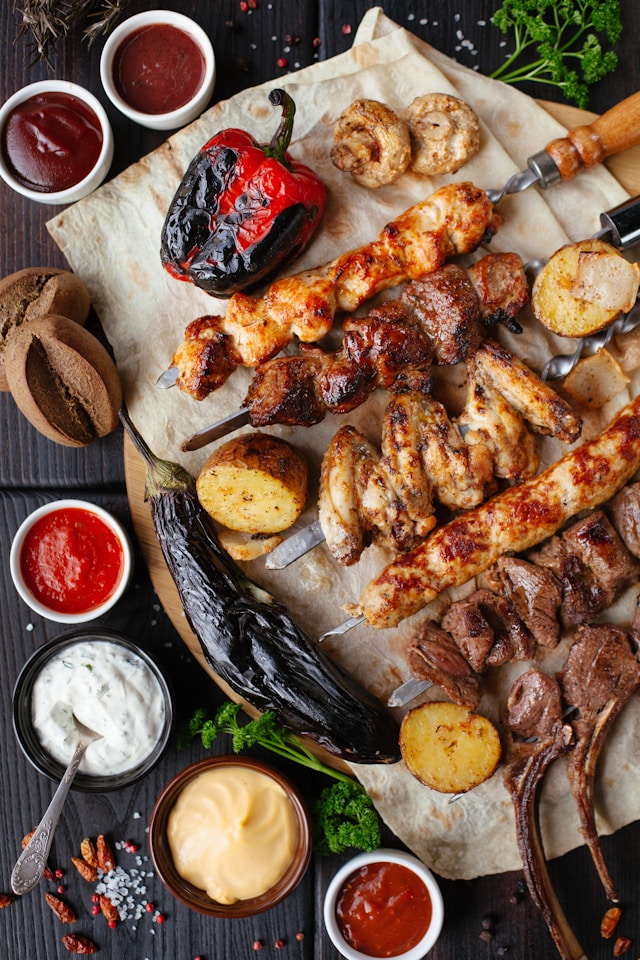
Japan’s culinary world is rich with regional specialties, from delicate sushi to comforting bowls of ramen. But one experience that often leaves foreigners in awe (and pleasantly full) is yakiniku—a popular style of dining that literally translates to “grilled meat.” At first glance, it might seem similar to Korean BBQ, but yakiniku is distinct in both flavor and experience.
If you’re visiting Japan or planning to explore its food culture, yakiniku is a must-try. However, to fully enjoy it without confusion or cultural faux pas, it’s helpful to know the basics. This article walks you through everything foreigners need to know about yakiniku—its origins, etiquette, meat cuts, ordering tips, and how to enjoy the experience like a local.
What Is Yakiniku?
Yakiniku (焼肉) means “grilled meat” in Japanese, and it refers to a style of dining where bite-sized pieces of meat and vegetables are grilled at the table—often by the diners themselves.
The setup usually includes:
-
A charcoal or gas grill built into the center of the table.
-
A selection of raw meats, vegetables, and sometimes seafood.
-
Dipping sauces known as tare.
-
Side dishes like rice, kimchi, salad, and soups.
The experience is both interactive and communal—ideal for couples, friends, and families.
A Brief History of Yakiniku
While grilling meat is a universal concept, Japan’s yakiniku has unique historical roots. It was heavily influenced by Korean immigrants in Japan, particularly after World War II. Korean-style BBQ was adapted and refined to local tastes, eventually becoming a uniquely Japanese dining experience.
In the 1990s, yakiniku saw a surge in popularity with the rise of “all-you-can-eat” (食べ放題 – tabehoudai) restaurants. Today, you’ll find everything from high-end wagyu yakiniku to casual chains across Japan.
How Yakiniku Differs from Korean BBQ
While the two share similarities, there are key differences:
| Feature | Yakiniku (Japan) | Korean BBQ |
|---|---|---|
| Flavors | Lightly seasoned or marinated meats, focus on natural flavor | Often heavily marinated meats |
| Grill type | Smaller grills, often individual table units | Larger grills, sometimes shared across tables |
| Accompaniments | Simple sides like rice and soup | Includes multiple banchan (Korean side dishes) |
| Meat cuts | Focus on Japanese wagyu, organ meats, and specific cuts | Pork belly (samgyeopsal), bulgogi, galbi more common |
Types of Yakiniku Restaurants
Before diving into the experience, it’s helpful to know the types of yakiniku establishments:
-
Tabehoudai (食べ放題) – All-you-can-eat. You pay a fixed price for 60–120 minutes and can order unlimited meat, sides, and drinks. Popular with students and tourists.
-
A la carte – Higher-end or traditional restaurants where you order specific meat cuts. Focuses more on quality than quantity.
-
Chain restaurants – Affordable, fast, and foreigner-friendly. Examples include Gyukaku, Yakiniku Like, and King Yakiniku.
-
High-end Wagyu spots – These specialize in rare, premium cuts of Japanese beef, including A5 wagyu. Expect top-tier service and prices to match.
What’s on the Menu? Common Meat Cuts in Yakiniku
Japanese menus can be intimidating at first, especially with unfamiliar meat names. Here are some key terms to look out for:
Popular Beef Cuts:
-
Karubi (カルビ) – Short rib; marbled, juicy, and a favorite for beginners.
-
Rosu (ロース) – Sirloin; leaner than karubi but still tender.
-
Harami (ハラミ) – Skirt steak; flavorful and slightly chewy.
-
Tan (タン) – Beef tongue; thinly sliced and often served with lemon.
-
Misuji (ミスジ) – Chuck flap; a prized cut for its perfect fat balance.
Offal (Hormone/ホルモン):
-
Horumon – General term for organ meats. Not for everyone, but locals love them!
-
Reba (レバー) – Liver.
-
Shiro (シロ) – Intestines.
Other Meats:
-
Tori (鶏) – Chicken.
-
Buta (豚) – Pork, often served as pork belly or shoulder.
-
Seafood – Shrimp, squid, scallops occasionally offered.
How to Order Yakiniku Like a Local
Here are a few tips to make your yakiniku experience at Tengoku smooth and enjoyable:
1. Check the Menu Format
Most menus are picture-heavy, and many restaurants offer English versions. Some use tablets where you place orders digitally.
2. Start with the Basics
If you’re unsure what to try, start with:
-
Karubi (short rib)
-
Rosu (sirloin)
-
Tori (chicken)
-
A vegetable platter
-
Rice or soup
3. Use Sauces Wisely
You’ll often receive three dipping sauces:
-
Tare – Sweet soy-based sauce
-
Ponzu – Citrus and soy sauce
-
Salt & lemon – Especially good for tongue (tan)
Taste the meat before dipping. High-end wagyu needs little to no sauce.
Grilling Etiquette and Tips
1. Don’t Overcrowd the Grill
Space out the meat so it cooks evenly and doesn’t steam. Grilling too many pieces at once is frowned upon.
2. Flip Only Once
Yakiniku meat is sliced thin and cooks quickly. Flipping once preserves the texture and flavor.
3. Use the Correct Utensils
Use tongs (not chopsticks) to place raw meat on the grill. Some places provide separate tongs for raw vs. cooked meat to avoid cross-contamination.
4. Eat as You Go
Yakiniku is not about waiting for everything to be ready at once. Grill a few pieces, eat, repeat.
5. Be Mindful of Smoke
Grills usually have built-in smoke vents, but it’s still good practice to avoid leaning over the grill or wearing clothes you don’t want to smell smoky afterward.
What to Drink with Yakiniku
The richness of grilled meat pairs perfectly with:
-
Beer (ビール) – A classic. Japanese lagers like Asahi, Sapporo, or Kirin are light and refreshing.
-
Highball (ハイボール) – Whiskey and soda, a local favorite.
-
Sake – Dry sake complements fatty meat.
-
Oolong Tea (ウーロン茶) – A non-alcoholic choice that helps cut grease.
How Much Does Yakiniku Cost?
Prices vary widely:
-
Budget (Tabehoudai chains): ¥2,000–¥3,500 per person
-
Mid-range: ¥4,000–¥6,000 per person
-
Luxury (Wagyu-focused): ¥8,000–¥20,000+ per person
Lunch sets can be more affordable, often under ¥1,500.
Yakiniku Tips for First-Time Visitors
-
✅ Learn a few words: “Yaki” means grilled, “niku” means meat. “Sumimasen” (excuse me) gets staff attention.
-
✅ Reserve in advance for popular spots, especially on weekends.
-
✅ Ask for “English menu” – Most big cities offer it.
-
✅ Pace yourself – It’s easy to over-order. Start small and add more.
-
✅ Don’t be afraid to ask questions – Staff are usually happy to help, especially at chain restaurants used to foreign guests.
Final Thoughts: Yakiniku Is More Than Just a Meal
Yakiniku isn’t just about eating meat—it’s about the experience. It’s the sizzling sound of beef on the grill, the laughter shared with friends over clinking glasses, the joy of choosing each bite. For foreigners in Japan, it offers a gateway into the country’s love for quality ingredients, social dining, and culinary precision.
Whether you’re on a budget or treating yourself to A5 wagyu, yakiniku is a cultural (and delicious) experience worth savoring. Come hungry, be curious, and enjoy one of Japan’s tastiest traditions.


