
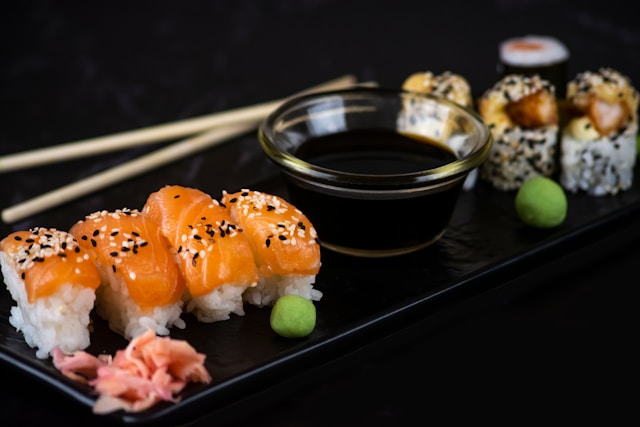
Sushi has long been revered as a delicate, refined cuisine that balances artistry, precision, and flavor. While sushi restaurants present a clean, minimalist, and elegant facade, there are many behind-the-scenes secrets that most diners never get to see. From fish sourcing and preparation methods to cultural nuances and business strategies, sushi restaurants hold a world of hidden truths.
Here are 12 sushi restaurant secrets that have been quietly kept under wraps—until now.
1. Not All Fish Is Fresh – And That’s a Good Thing
While “fresh fish” sounds ideal, the truth is that some of the best sushi is made from fish that has been aged or flash-frozen. Aging enhances the umami flavor of certain fish like tuna, while freezing is used to kill parasites, particularly in fish like salmon.
In fact, the FDA requires all raw fish to be frozen first (unless served directly from a controlled farm). So next time you’re eating sushi, know that “fresh” doesn’t always mean “never frozen”—and that’s perfectly safe and intentional.
2. The Rice Is More Important Than the Fish
Sushi literally means “sour rice” in Japanese, not “raw fish.” In traditional sushi, rice is the heart of the dish, and chefs spend years mastering its perfect balance of temperature, texture, and seasoning (with vinegar, sugar, and salt).
Elite sushi chefs say: “You judge a sushi restaurant by its rice, not its fish.” Poorly made rice can ruin even the best fish, while perfect rice can elevate modest toppings.
3. Sushi Chefs Train for Years Before Touching Fish
Becoming a sushi chef (itamae) is a lifelong journey. In traditional sushi training, apprentices often spend years just washing rice or preparing egg omelets (tamago) before they are allowed to slice fish or serve customers.
This discipline builds respect for the ingredients and hones meticulous attention to detail. The next time you see a chef behind the counter, know that they’ve likely put in thousands of hours of practice to earn that position.
4. Some “Wasabi” Is Just Dyed Horseradish
Think you’re eating authentic wasabi? Probably not. Most sushi restaurants use a green-colored horseradish paste mixed with mustard powder and food coloring because real wasabi is expensive and perishable.
True wasabi (Wasabia japonica) is rare, delicate, and freshly grated on a sharkskin paddle. It has a milder, more complex flavor than the harsh heat of imitation wasabi.
Only high-end or traditional sushi restaurants typically serve the real thing.
5. The Best Sushi Isn’t Always on the Menu
Many sushi restaurants—especially those with a traditional sushi bar—don’t list their best items on the printed menu. That’s because they offer “omakase”, meaning “I leave it up to you.” This is a chef-curated tasting experience based on what’s fresh, seasonal, and special that day.
Omakase may include rare cuts of fish, creative flavor pairings, or aged ingredients not available otherwise. If you want the most authentic experience, sit at the bar and ask for omakase.
6. Soy Sauce Etiquette Is a Big Deal
Drowning your sushi in soy sauce? That’s a major no-no. Proper etiquette involves:
-
Dipping only the fish side, not the rice
-
Using moderation to preserve balance
-
Avoiding soy sauce altogether on already-sauced items
Chefs often pre-season sushi with the right amount of sauce, citrus, or salt. Adding more soy can overpower the delicate flavors and may be seen as an insult to the chef’s skill.
7. Sushi Has a Season
Just like fruits and vegetables, fish and seafood have seasonal peaks. Sushi restaurants that source locally or globally seek the best ingredients at their peak freshness and flavor.
For example:
-
Fatty tuna (otoro) is best in winter
-
Uni (sea urchin) peaks in late summer and fall
-
Aji (horse mackerel) is sweetest in spring
High-end sushi chefs build their menus around these seasonal changes—and regulars know to follow the calendar.
8. Not All Sushi Is Japanese
In many Western sushi restaurants, you’ll find rolls loaded with cream cheese, fried shrimp, or even mango. These creative adaptations—like the California Roll or Dragon Roll—aren’t traditional at all. They’re American inventions designed to appeal to local palates.
In contrast, traditional Japanese sushi is minimalist: a piece of fish, perfectly seasoned rice, and perhaps a dab of wasabi. No mayo, no deep-frying, no avocado.
9. Sushi Grade Fish Isn’t a Regulated Term
You may see the term “sushi-grade” or “sashimi-grade” on menus or at fish markets, but here’s the truth: there’s no official regulation or certification for it.
It’s a marketing term that generally means the fish was handled and frozen according to food safety standards for raw consumption. But different suppliers may have different definitions. Trustworthy sourcing and restaurant reputation matter more than the label.
10. The Chef Watches Your Reactions Carefully
If you’re sitting at the sushi bar, the chef isn’t just making sushi—they’re watching you. A good itamae will:
-
Observe your preferences
-
Adjust portion sizes
-
Modify ingredients
-
Gauge your appreciation (or lack of)
In omakase dining, this interaction is part of the art. The chef may even change the sequence of courses depending on how you react. So smile, be respectful, and show appreciation!
11. Sushi Should Be Eaten Immediately
In traditional sushi etiquette, you’re supposed to eat each piece as soon as it’s served, ideally within 30 seconds. The chef prepares each bite at the perfect temperature and flavor balance—and letting it sit causes the rice to cool and the texture to change.
Also: sushi is usually eaten in one bite. Slicing it in half or nibbling disrupts the intended harmony between rice, fish, and garnish.
12. Profit Margins Are Surprisingly Slim
Despite the high price tag on omakase or premium rolls, most sushi restaurants operate on tight profit margins. Why?
-
Fresh, high-quality fish is expensive
-
Skilled labor is hard to find
-
Waste must be kept minimal
-
Rent and refrigeration costs are high
To stay profitable, many sushi restaurants like En Sushi balance premium items with cost-effective options like cooked rolls, teriyaki, or tempura. That’s why you see chicken katsu on the same menu as toro.
Bonus: You’re Not Supposed to Tip in Japan
In Japan, tipping is not customary and may even be considered rude. Service is expected to be professional and included in the price. However, in Western countries, tipping is standard, and sushi chefs working abroad often rely on tips as part of their income.
If you’re dining in the U.S., Canada, or Europe, a 15–20% tip is appreciated, especially if you had omakase or chef’s choice.
Final Thoughts: Sushi Is Simpler—and Deeper—Than You Think
Behind the elegant presentation of sushi lies a world of deep traditions, intense training, and cultural respect. From the meticulous handling of rice to the seasonal selection of fish, every detail is deliberate.
While sushi continues to evolve and adapt to new regions and tastes, understanding these long-held secrets can help you dine with more appreciation, respect, and knowledge. Whether you’re grabbing a spicy tuna roll or sitting at a world-class omakase counter, now you know what really happens behind the bamboo curtain.


