
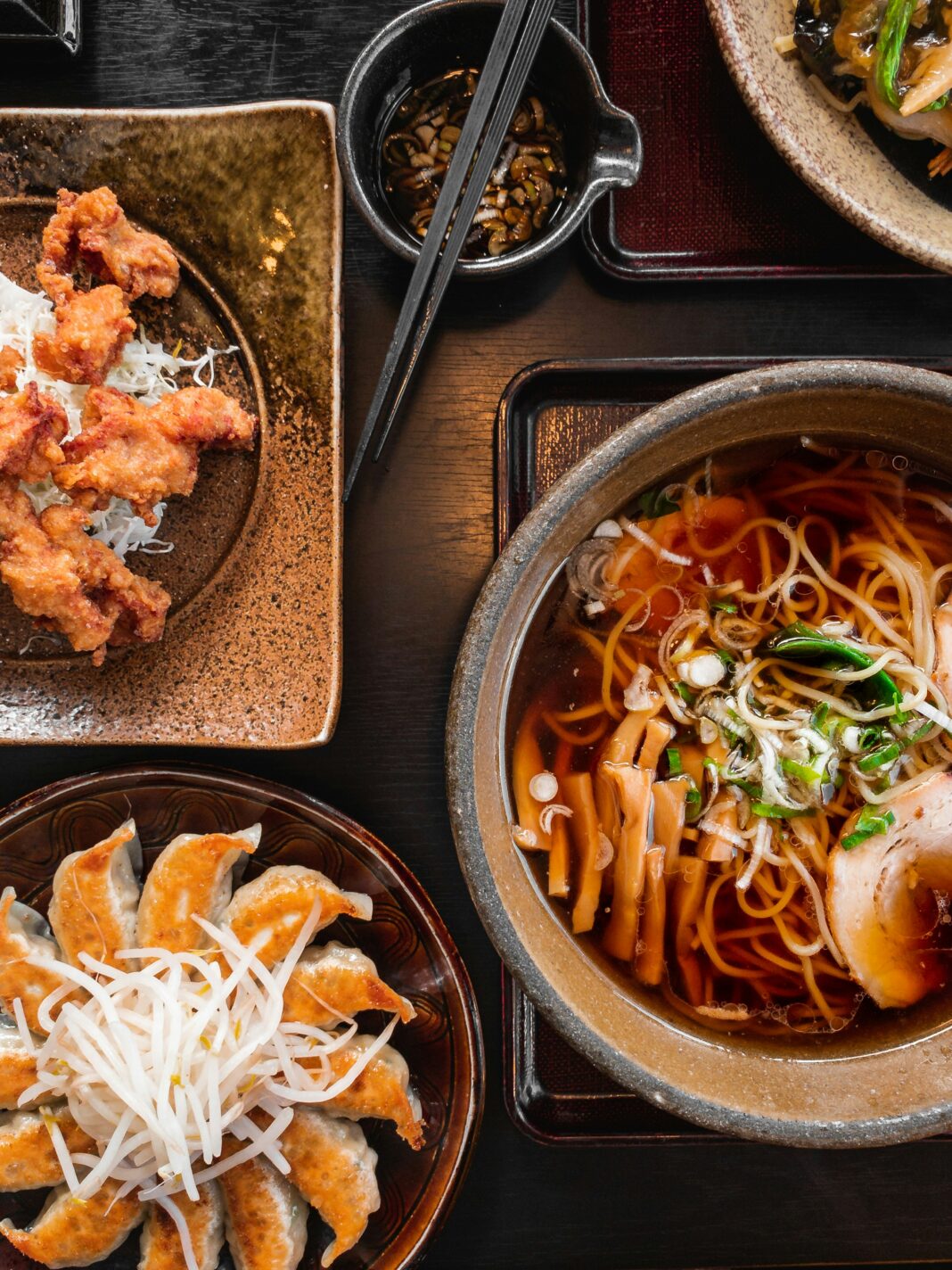
Japanese cuisine extends far beyond the sushi rolls and ramen bowls that have captured global attention. Behind every perfectly arranged dish lies centuries of culinary philosophy, seasonal awareness, and meticulous techniques that make Japanese food truly distinctive among world cuisines.
Most people experience Japanese food through popular exports like tempura, teriyaki, and California rolls. Yet authentic Japanese cuisine operates on principles that differ dramatically from Western cooking approaches. From the concept of umami—the fifth taste that Japanese scientists first identified—to seasonal ingredients that dictate entire menus, Japanese culinary traditions offer fascinating insights into a culture that views food as both nourishment and art.
Understanding these unique aspects reveals why Japanese cuisine has earned such reverence worldwide. The attention to detail, respect for ingredients, and harmony between flavors create dining experiences that engage all the senses. These distinctive elements have shaped not only how Japanese people eat, but also influenced culinary trends and cooking techniques across the globe.
The Philosophy of “Ichigo Ichie” in Every Meal
Japanese cuisine embraces the concept of “ichigo ichie,” meaning “one time, one meeting”—the idea that each dining experience is unique and should be treasured. This philosophy influences everything from ingredient selection to presentation, creating meals that reflect the specific moment in time when they’re prepared and consumed.
Restaurants practicing this philosophy change their menus with remarkable frequency, sometimes daily, based on what ingredients are at their peak that particular day. A sushi chef might select fish based on that morning’s market offerings, while a kaiseki restaurant might adjust its entire multi-course menu to reflect subtle seasonal shifts.
This approach contrasts sharply with Western dining, where consistency and standardization often take precedence. Japanese chefs view slight variations between meals not as inconsistency, but as authenticity—each dish represents that specific day’s best possible expression of the ingredients and the chef’s skill.
Seasonal Eating Taken to Extraordinary Levels
While many cultures acknowledge seasonal eating, Japanese cuisine elevates this concept to an art form through “shun”—the precise moment when an ingredient reaches its peak flavor and nutritional value. Japanese chefs don’t just use seasonal ingredients; they time their usage to capture ingredients at their absolute prime.
Spring menus might feature bamboo shoots harvested within a narrow two-week window, while autumn dishes showcase matsutake mushrooms available for just a few precious weeks. This precision extends to preparation methods, with different cooking techniques applied to the same ingredient depending on its seasonal state.
The Japanese calendar recognizes 72 distinct micro-seasons, each lasting about five days, and traditional cuisine reflects these subtle changes. Cherry blossom petals might flavor desserts for exactly the brief period when they bloom, while restaurants serving river fish might pause offerings during spawning seasons to allow populations to recover.
The Art of Ma—Purposeful Empty Space
Japanese cuisine applies the aesthetic principle of “ma”—the power of negative space—to food presentation and dining experiences. This isn’t simply about minimalist plating; it’s about creating intentional pauses and empty spaces that enhance appreciation for what is present.
Traditional Japanese meals include moments of silence, spaces between courses, and carefully considered gaps in visual presentations. A single piece of fish might occupy just one corner of a large plate, with the empty space serving to focus attention and create visual harmony.
This concept extends to flavor profiles as well. Japanese dishes often feature distinct, clean flavors rather than complex layering, allowing diners to appreciate each element individually before experiencing how they combine. The space between flavors becomes as important as the flavors themselves.
Knife Skills That Border on Meditation
Japanese knife work represents one of the world’s most refined culinary techniques, with some chefs spending decades perfecting specific cuts. The precision required goes beyond mere functionality—it’s considered a form of moving meditation that connects the chef with their ingredients.
Different cuts serve specific purposes beyond aesthetics. The way vegetables are sliced affects how they absorb flavors, how quickly they cook, and even how they feel in the mouth. A properly executed cut can enhance an ingredient’s natural sweetness or create textural contrasts that elevate the entire dish.
Master sushi chefs train for years just to achieve the proper rice cutting motion, while vegetable preparation requires knowledge of dozens of specialized cuts, each with its own name and specific application. This level of precision reflects the Japanese belief that how you treat ingredients directly impacts the final dish’s spiritual as well as physical nourishment.
Temperature Contrasts That Create Harmony
Japanese cuisine at Tengoku masterfully employs temperature contrasts within single dishes and throughout meals, creating sensory experiences that Western diners often overlook. These aren’t accidental variations—they’re carefully orchestrated to enhance flavors and create textural interest.
A traditional meal might pair hot, steaming soup with cool, delicate sashimi, or combine warm rice with chilled vegetables. These temperature contrasts aren’t just pleasant; they serve physiological purposes, helping to cleanse the palate and prepare it for different flavor experiences.
Even within individual dishes, temperature plays a crucial role. Tempura’s appeal lies partly in the contrast between the hot, crispy exterior and the tender, often cool interior of vegetables or seafood. This attention to temperature extends to serving dishes themselves, with plates sometimes warmed or chilled to complement the food they’ll hold.
The Ritual of Food Preparation as Performance
Japanese cuisine transforms cooking from mere meal preparation into ritualistic performance, where technique, timing, and presentation merge into a form of edible theater. This is most visible in teppanyaki, sushi bars, and traditional tea ceremonies, but the principle extends throughout Japanese cooking.
Sushi preparation exemplifies this approach. The movements are precise, economical, and beautiful to watch. Every gesture serves a purpose—from the way rice is formed to how fish is sliced—yet the overall effect creates an almost dance-like performance that honors both ingredients and diners.
This performance aspect isn’t about showmanship in the Western sense. Instead, it reflects the Japanese concept that the preparation process itself deserves respect and attention. Watching food being prepared becomes part of the dining experience, connecting diners more deeply with their meal and the skills required to create it.
Umami as a Guiding Principle
Long before Western science recognized umami as the fifth taste, Japanese cuisine was built around maximizing this savory, satisfying flavor through specific ingredients and techniques. Understanding umami helps explain why Japanese food creates such deep satisfaction despite often appearing simple.
Dashi, the fundamental Japanese stock, represents pure umami created through the interaction of kombu seaweed and bonito flakes. This base provides the savory foundation for countless dishes, creating depth without the heavy sauces or complex seasonings common in other cuisines.
Japanese chefs layer umami-rich ingredients—aged soy sauce, fermented miso, dried mushrooms, and cured fish—to create flavors that satisfy on a primal level. This scientific understanding of taste, developed through centuries of culinary refinement, continues to influence how modern chefs worldwide approach flavor development.
The Concept of “Washoku”—Harmony on the Plate
“Washoku,” Japan’s traditional dietary culture, emphasizes nutritional and aesthetic balance in ways that extend far beyond simple meal planning. This UNESCO-recognized approach to food creates meals that nourish both body and spirit through careful attention to color, texture, cooking method, and seasonal appropriateness.
A traditional washoku meal balances five colors (white, black, red, yellow, green), five tastes (sweet, sour, salty, bitter, umami), and five cooking methods (raw, boiled, grilled, fried, steamed). This isn’t rigid formula-following—it’s a flexible framework that ensures nutritional completeness and visual appeal.
This holistic approach influences everything from home cooking to haute cuisine. Even simple meals follow washoku principles, ensuring that diners receive not just calories but a complete sensory and nutritional experience that promotes both immediate satisfaction and long-term health.
Why These Traditions Matter More Than Ever
Japanese cuisine’s unique characteristics offer valuable lessons for modern eating and cooking. As global food systems become increasingly industrialized and disconnected from natural rhythms, Japanese principles like seasonal eating, ingredient respect, and mindful preparation provide alternatives that prioritize quality over quantity.
These traditions demonstrate that food can serve purposes beyond mere sustenance—it can connect us to seasons, to our senses, and to cultural wisdom developed over centuries. Understanding these unique aspects of Japanese cuisine enriches not only our appreciation for Japanese food but also our approach to eating and cooking in general.
The next time you encounter Japanese cuisine, look beyond the familiar favorites. Notice the spaces between flavors, the seasonal ingredients, the careful balance of temperatures and textures. These details reveal a culinary philosophy that treats every meal as an opportunity for mindfulness, appreciation, and connection to the natural world.


