
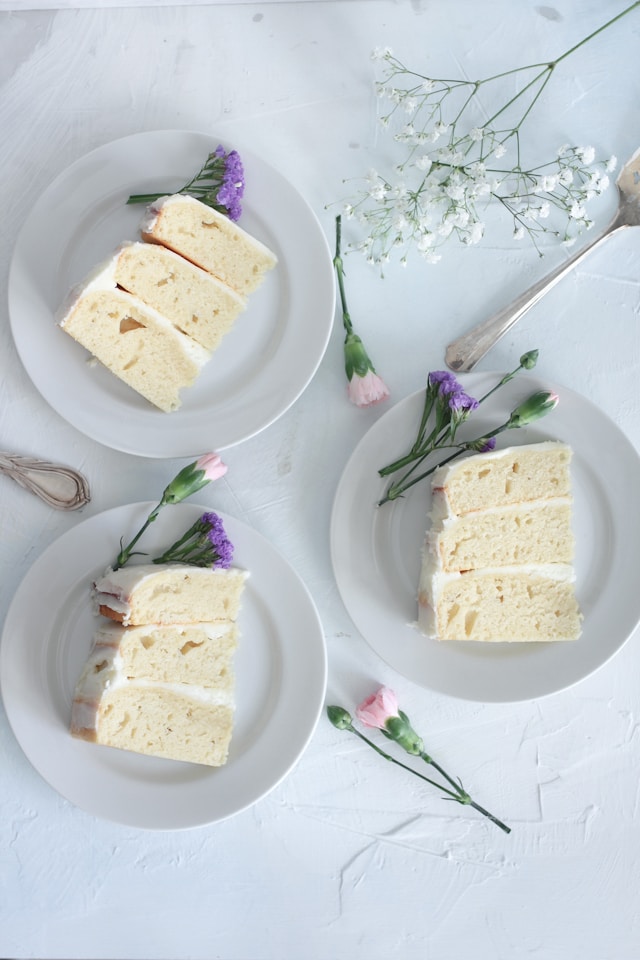
TL;DR: A truly memorable wedding cake goes beyond good taste—it reflects the couple’s personality, complements the event’s aesthetic, and surprises guests with details they didn’t expect. From bold sculptural designs to hyper-personalized flavors, the best wedding cakes combine artistry with intention.
Your wedding cake will be photographed, admired, sliced, and shared. For a few hours, it becomes the centerpiece of your reception—a edible sculpture that signals to your guests exactly what kind of celebration they’re attending. Yet so many couples treat the cake as an afterthought, selecting something safe and forgettable after the venue, the flowers, and the dress have already been decided.
That’s a missed opportunity.
The wedding cakes people remember aren’t necessarily the tallest or the most expensive. They’re the ones that feel specific—like they couldn’t have belonged to any other couple. They’re the ones that spark a conversation, photograph beautifully from every angle, and taste as good as they look. And they’re usually the result of a few deliberate decisions made early in the planning process.
This guide covers everything you need to know to create a wedding cake that lingers in the memory long after the last slice is gone—from design principles and flavor strategy to working with your baker and navigating common mistakes.
What Actually Makes a Wedding Cake Memorable?
Before diving into specifics, it helps to understand what separates a forgettable cake from an unforgettable one. The answer isn’t always complexity. Some of the most striking wedding cakes are deceptively simple—a single-tier creation with flawless texture and one intentional detail can outshine a five-tier fondant construction that tries to do too much.
What memorable cakes tend to have in common:
- A clear point of view. The design reflects a distinct aesthetic—romantic, modern, maximalist, minimal—rather than a vague combination of trending styles.
- Intentional detail. Every element, from the topper to the plating, has a reason for being there.
- Flavor that surprises. Guests expect vanilla or chocolate. Give them something they weren’t expecting and they’ll be talking about it the next day.
- Cohesion with the event. A cake that feels like it belongs at the wedding—that mirrors the florals, the venue, the vibe—lands differently than one that feels imported from a catalog.
How to Choose a Wedding Cake Design That Complements Your Venue
The relationship between a cake and its environment matters more than most couples realize. A minimalist marble-effect cake from Bloomsbury Bakers can look stunning in a sleek urban venue and completely out of place in a rustic barn. Before you fall in love with a design on Pinterest, consider the following.
What is the dominant aesthetic of your venue?
Natural textures like wood, stone, and greenery tend to pair well with organic cake designs—textured buttercream, pressed flowers, trailing foliage. Clean-lined venues with neutral palettes create a natural backdrop for sculptural or architectural cakes. Ornate ballrooms and heritage buildings can hold their own against more elaborate, heavily decorated designs.
How will the cake be lit?
Lighting dramatically affects how a cake photographs and how guests perceive it in the room. Warm Edison bulb lighting flatters buttercream finishes and ivory tones. Cooler, brighter lighting tends to work better with fondant and highly detailed sugar work. Ask your baker whether the finish they’re recommending holds up in different lighting conditions.
What’s the scale of the event?
A grand, multi-tiered cake makes sense at a large reception. At an intimate dinner for thirty, it can feel disproportionate. Smaller gatherings often benefit from an unconventional approach—a single striking tier, a cluster of individually decorated mini cakes, or a dessert table anchored by one statement piece.
The Most Memorable Wedding Cake Trends Right Now
Cake design moves with broader aesthetic trends in food, fashion, and interior design. The following styles are resonating strongly with couples and guests alike.
Sculptural and architectural cakes
Clean geometric shapes, unexpected angles, and deliberate asymmetry are all gaining ground. These cakes look like they belong in a gallery. The challenge is execution—structural integrity matters as much as visual impact, which is why choosing a baker with experience in this style is essential.
Textured buttercream
The perfectly smooth fondant cake that dominated wedding reception tables for decades is giving way to expressive buttercream finishes. Palette-knife swirls, ruffled edges, and combed textures add depth and movement. They also photograph exceptionally well and tend to taste better than fondant to most guests.
Monochromatic and tonal designs
All-white cakes have always been classic, but couples are now pushing this further—ivory on ivory, sage on sage, chocolate tiers with espresso-toned ganache drip. The restraint feels intentional and sophisticated, and the result is a cake that holds visual interest without relying on color contrast.
Hand-painted and illustrated cakes
For couples with a creative streak, hand-painted cakes are genuinely show-stopping. A skilled cake artist can replicate watercolor florals, botanical illustrations, or abstract brushwork directly onto the cake’s surface. No two are alike, which makes them inherently personal.
Edible botanicals and fresh florals
Fresh flowers on a wedding cake require coordination between your florist and baker (some flowers are toxic and need to be handled carefully). When done correctly, the result is breathtaking—a cake that feels like a living part of the floral design rather than an isolated dessert.
How to Choose Wedding Cake Flavors That Guests Actually Remember
Flavor is where so many wedding cakes fall short. The most beautiful cake in the world disappoints if it tastes mediocre. The reverse is also true: a simply decorated cake with an extraordinary flavor becomes the thing guests quote at dinner parties for years.
Start with what you love, not what you think is expected
Vanilla and chocolate are reliable crowd-pleasers, but they’re also forgettable by definition. Consider flavors that have personal resonance—the city where you got engaged, a dessert you both love, a family recipe. Lemon elderflower, champagne and strawberry, salted caramel, brown butter almond, spiced chai—these flavors have a specificity that sticks in the memory.
Vary the flavors across tiers
Multi-tiered cakes offer a straightforward opportunity to give guests choice. Different tiers can feature different combinations of cake, filling, and frosting. Label each flavor at the table so guests know what they’re getting—this alone prompts conversation.
Don’t neglect the frosting
The cake and the frosting are a partnership, and an imbalanced one can ruin an otherwise excellent combination. Rich chocolate sponge often benefits from a lighter, silkier finish—like a whipped ganache or a mascarpone buttercream—rather than being paired with more heaviness. Ask your baker to walk you through how each element interacts before settling on a combination.
Schedule a tasting with clear criteria
Most bakers offer tastings, and they’re worth treating seriously. Come prepared with questions: How does the flavor hold at room temperature? Does the frosting hold up over a few hours without refrigeration? What happens to the texture between slicing and serving? These practical questions reveal a baker’s expertise and give you confidence in the final product.
Choosing the Right Wedding Cake Baker: What to Look For
The baker you choose is as important as the design you select. Technically skilled bakers can elevate a simple concept. The wrong choice can undermine even the most carefully planned vision.
Review their portfolio critically
Look for consistency across multiple cakes, not just a handful of standout pieces. Strong bakers produce excellent work reliably, not occasionally. Pay attention to the cleanliness of edges, the precision of details, and whether their portfolio includes work similar to what you’re envisioning.
Ask about their process
A professional baker will want to understand your full vision before quoting. They’ll ask about the venue, the aesthetic, the guest count, the serving schedule. If a baker jumps to pricing before asking any of these questions, that’s worth noting.
Understand the full scope of what’s included
Delivery, setup, a cake stand, and a cutting fee from the venue are all separate considerations. Get clarity on what’s included in the quote and what will cost extra. Ask whether they’ll visit the venue in advance for larger, more complex installations.
Common Mistakes Couples Make When Ordering Their Wedding Cake
Knowing what to avoid is half the battle.
Waiting too long to book. Popular bakers are often reserved six to twelve months in advance, particularly for peak wedding season dates. If you have a specific baker in mind, reach out early.
Prioritizing looks over taste. The cake will be photographed for thirty minutes and eaten for the rest of the evening. Taste deserves at least equal weight in the decision.
Choosing a design that doesn’t scale. A detail that looks beautiful in a photograph of a small cake can become visually overwhelming when reproduced across five tiers—or disappear entirely when scaled down. Talk to your baker about how your chosen design translates at your required size.
Ignoring dietary needs until the last minute. If you have guests with gluten intolerance, nut allergies, or other dietary restrictions, address this during the planning phase rather than the week before the wedding.
The Finishing Touches That Elevate a Great Cake to an Unforgettable One
The cake itself is the centerpiece, but the details around it shape the full impression.
- The cake table. The surface, backdrop, and surrounding elements—linen, florals, candles—frame the cake. A beautiful cake on a bare folding table reads differently than the same cake surrounded by thoughtful styling.
- The topper. Whether you choose a classic monogram, a sculptural resin piece, fresh flowers, or something whimsical and personal, the topper is the detail guests photograph most closely.
- The moment of cutting. The cake cutting is a ritual, and the way it’s presented—the music, the lighting, the timing—shapes how guests experience it. Brief your coordinator on the specific mood you want for that moment.
- The serving. Pre-cut slices presented on coordinating plates with a small card noting the flavor make a stronger impression than slices passed quickly on paper napkins.
Make Your Wedding Cake a Reflection of You
A wedding cake becomes memorable when it feels intentional—when every decision, from the design concept to the flavor profile to the finishing touches, reflects the couple who chose it. The goal isn’t to follow every trend or impress every guest. The goal is to create something that feels genuinely yours.
Start the conversation with a baker early. Bring references, but also bring context—your venue, your aesthetic, your story. The cakes people talk about for years are rarely the most elaborate ones in the room. They’re the ones that felt like they meant something.
Frequently Asked Questions About Wedding Cakes
How far in advance should I book my wedding cake baker?
Most experienced wedding cake bakers book out six to twelve months in advance, especially for peak dates between May and October. Aim to secure your baker as soon as your venue and date are confirmed.
How much does a wedding cake typically cost?
Wedding cake pricing varies widely based on the number of tiers, complexity of decoration, number of servings, and the baker’s experience level. Couples generally budget between $500 and $1,200 for a mid-range wedding cake, though highly detailed or sculptural designs can cost significantly more.
How many flavors can I have in one wedding cake?
Most bakers allow different flavors for each tier. A three-tiered cake can feature three distinct combinations of cake and filling, giving guests variety without adding complexity to the design.
What is the difference between fondant and buttercream?
Fondant is a smooth, pliable sugar paste rolled over the cake to create a flawless finish. It holds detail well but has a dense, sweet taste that many guests find underwhelming. Buttercream is a frosting made primarily from butter and sugar—it tastes better to most palates and offers beautiful textural finishes, but is more sensitive to heat.
Can I use real flowers on my wedding cake?
Yes, but with caution. Some flowers are toxic and cannot come into direct contact with food. Work with your florist and baker together to confirm that any fresh flowers used are food-safe or properly isolated from the cake’s surface.
What’s the best way to preserve the top tier of a wedding cake?
Wrap the top tier tightly in plastic wrap, then foil, and store it in the freezer. When your first anniversary arrives, defrost it slowly in the refrigerator over 24 hours before serving at room temperature. The quality will depend on the original cake’s density and moisture content—denser cakes with lower water content tend to hold up better.


