
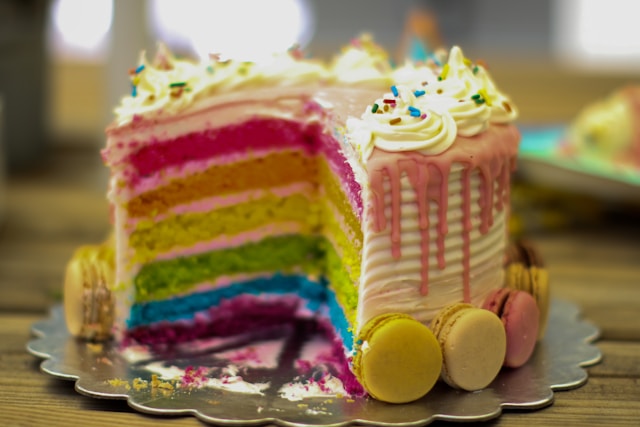
The cake often serves as the centerpiece of any birthday celebration. When the lights dim and the candles glow, everyone gathers around this single dessert to sing, celebrate, and share a joyful moment. Selecting the right one requires a bit of planning, but the effort pays off when the guest of honor sees their birthday wish waiting to be sliced.
Finding that ideal combination of flavor, design, and size can feel overwhelming. You have endless flavor combinations to consider, alongside dietary restrictions and elaborate design options. A child’s birthday party calls for a completely different approach than a sophisticated milestone celebration for an adult.
This guide will walk you through the essential steps of selecting birthday cakes. You will learn how to navigate flavor profiles, correctly size your order, handle dietary needs, and communicate effectively with your baker. By the end, you will have a clear roadmap for ordering a dessert that looks incredible and tastes even better.
Start with the Guest of Honor’s Preferences
The most important factor in selecting a birthday cake is the person celebrating their birthday. Their tastes should dictate the direction of your cake journey.
Identify Favorite Flavors
Some people love rich, decadent chocolate desserts, while others prefer light, fruity sponges. Ask the guest of honor directly if the party is not a surprise. If you are keeping the celebration a secret, check with their close friends or family members. Classic flavors like vanilla bean, red velvet, and chocolate fudge are popular crowd-pleasers. For adventurous eaters, consider combinations like lemon and elderflower, matcha green tea, or salted caramel infused with espresso.
Consider Texture and Fillings
A cake is constructed from multiple components. The sponge provides the base, but the fillings add excitement. Fruit preserves, lemon curd, chocolate ganache, and whipped cream all offer different textures. A dense pound cake pairs wonderfully with a sharp fruit curd, while a light chiffon cake matches perfectly with an airy mousse.
Factor in the Guest Count
Ordering a cake that is too small leaves guests hungry. Ordering one that is too large leaves you with excessive leftovers. Accurately estimating your guest count ensures everyone gets a satisfying slice.
Standard Cake Sizing
Bakeries typically size their cakes by diameter. A round six-inch cake generally serves around ten to twelve people, making it ideal for intimate gatherings. An eight-inch round cake feeds up to twenty guests. If you are hosting a larger party of thirty to forty people, a ten-inch cake or a quarter sheet cake is appropriate. For massive celebrations with fifty or more attendees, you will likely need a half sheet cake or a multi-tiered design.
Portion Types
Event portion sizes differ from standard dessert portions. A standard slice usually measures about one inch by two inches. If you plan to serve the cake as the only dessert, you might want to account for slightly larger slices. If the cake is part of a larger dessert buffet, you can plan for smaller portions. Always tell your baker the exact number of expected guests so they can recommend the right dimensions.
Match the Cake to the Theme
Visual appeal transforms a simple dessert into a memorable focal point. The design should reflect the overall mood and theme of the celebration.
Children’s Birthday Themes
Kids usually have very specific interests that translate beautifully into cake designs. Superheroes, princesses, animals, and favorite television characters are classic choices. You can incorporate these themes through colorful icing, edible printed images, or small plastic cake toppers. Bright, vibrant colors tend to work best for younger children.
Adult Milestone Birthdays
For adults, elegant and refined designs often take precedence. A 30th or 50th birthday might feature a sophisticated drip cake adorned with fresh flowers and metallic accents. Minimalist designs with smooth buttercream and elegant piped lettering offer a timeless look. Consider matching the frosting colors to the party’s color palette or the floral arrangements in the room.
Navigate Dietary Restrictions Safely
Modern celebrations often include guests with specific dietary needs. Accommodating these requirements ensures everyone feels included in the festivities.
Gluten-Free and Vegan Options
Many bakeries now offer exceptional gluten-free and vegan cakes. Gluten-free versions utilize alternative flours like almond, coconut, or rice flour to replicate the texture of traditional sponge. Vegan cakes replace dairy and eggs with ingredients like applesauce, flaxseed, and plant-based milks. When ordering these specialty items, verify that the bakery can produce a texture and flavor comparable to their standard offerings.
Managing Severe Food Allergies
Nut allergies, dairy allergies, and egg allergies require careful attention. If the guest of honor has a severe allergy, you must choose a bakery equipped to handle cross-contamination. Some bakeries operate entirely nut-free or gluten-free facilities. If you cannot find a safe bakery, baking the cake yourself in a controlled environment might be the safest route. Always clearly label the cake at the party if it contains common allergens.
Choose Between Buttercream and Fondant
The exterior of the cake dictates both its appearance and its taste. You generally have two main options for the outer finish: buttercream or fondant.
The Appeal of Buttercream
Buttercream is rich, creamy, and delicious. It comes in several varieties, including American, Swiss meringue, and Italian meringue. American buttercream is quite sweet and crusts slightly, making it great for piping. Swiss and Italian meringues are silky, less sweet, and incredibly smooth. Most people prefer the taste and texture of buttercream over fondant. However, buttercream can melt in hot weather, making it less ideal for outdoor summer parties.
The Versatility of Fondant
Fondant is a sugar paste rolled out into thin sheets and draped over the cake. It creates a flawless, porcelain-like finish that allows for highly detailed, sculpted designs. Bakers can paint on fondant, mold it into 3D shapes, and create textures that buttercream simply cannot achieve. The downside is the texture and taste. Fondant has a gummy consistency that many people peel off before eating the cake underneath.
Set a Realistic Bakery Budget
Custom cakes require hours of skilled labor. Understanding the costs involved helps you plan your party budget effectively.
Base Costs and Intricate Designs
Most bakeries have a starting price based on the size and shape of the cake. This base price typically covers standard flavors and a basic buttercream finish. Once you add custom elements, the price increases. Hand-sculpted sugar flowers, intricate fondant figures, and edible gold leaf all add significant cost. Multi-tiered cakes also cost more due to the structural supports required to keep them standing.
Cost-Effective Alternatives
If a custom bakery cake exceeds your budget, you have plenty of great alternatives. Supermarket bakeries offer delicious, affordable options that you can customize at home with fresh berries or store-bought toppers. Cupcake towers provide a fantastic, budget-friendly substitute to a large tiered cake. Cupcakes also eliminate the need for cake cutting and allow you to offer multiple flavors at once.
Plan the Logistics and Timing
The best cake in the world loses its charm if it arrives late or gets damaged in transit. Proper planning ensures a smooth delivery.
Booking Your Baker
Skilled cake decorators book up weeks, or even months, in advance. For a standard birthday cake, try to place your order at least two to three weeks before the party. If you are requesting a highly complex design or ordering during a busy holiday season, provide a month’s notice.
Transportation and Storage
If you are picking up the cake yourself, clear a flat space in your vehicle. The floorboard or the trunk is usually safer than a slanted car seat. Drive carefully and avoid sharp turns. Once you arrive at the venue, follow the baker’s storage instructions. Most buttercream cakes need refrigeration but should be brought to room temperature about an hour before serving for the best texture and flavor.
Slicing and Serving Your Celebration Dessert
The moment finally arrives to cut the cake and distribute the slices. Doing this efficiently keeps the party moving and ensures the cake looks appetizing on the plate.
Keep a sharp chef’s knife and a pitcher of hot water nearby. Dip the knife into the hot water, wipe it completely dry with a clean towel, and make your first cut. The heated blade glides cleanly through cold frosting and delicate sponge without dragging crumbs. Repeat this process for every few slices to maintain clean lines.
Choosing a birthday dessert involves coordinating flavors, scaling sizes, and planning logistics. By keeping the guest of honor in mind and communicating clearly with your baker, you guarantee a sweet finale that everyone will enjoy. Take these steps into your next party planning session and watch how easily the perfect dessert comes together.


